UVA: The Speed of Light
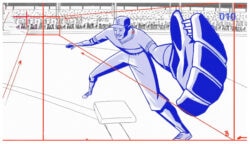
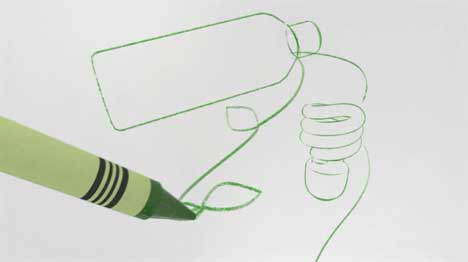
UVA: The Speed of Light (via Creative Review)
Matt Lambert • 14 years ago
LA3D.net Relaunches with Company Reviews Section
Among the many new features included in LA3D.net’s relaunch is a Company Review section, allowing for anonymous reviews of LA-area shops. Check it out.
Justin Cone • 14 years ago
Sebastian Onufszak / In Graphics We Trust updates his portfolio
Sebastian Onufszak / In Graphics We Trust updates his portfolio
Bran Dougherty-Johnson • 14 years ago
Reach Out
Reach Out is an interesting new PSA campaign by the Ad Council through DDB New York that attempts to raise awareness of teen suicide prevention…
Read more
Bran Dougherty-Johnson • 14 years ago
Doug Appleton
Impressive reel from soon-to-be-graduating 3D generalist, Doug Appleton. He’s already done some work for Buck, so grab him while you still can!
Lilian Darmono • 14 years ago
Doug Appleton
Doug Appleton is about to graduate from NorthEastern in Boston MA, ladies and gents. He’s already done a few things for Buck, and his reel…
Read more
Lilian Darmono • 14 years ago
Platige for Orange
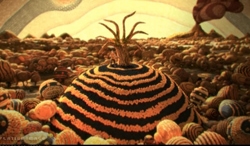
A series of lush and beautiful (albeit a little bizarre) spots for Orange Network, Poland, by Platige
Lilian Darmono • 14 years ago
More Data from Motion Theory
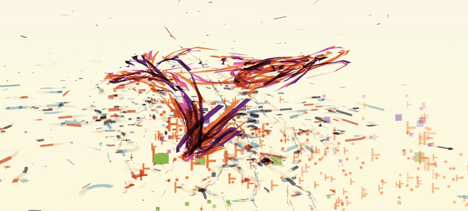
Here are two new gorgeous spots from Motion Theory for IBM. Data Energy visualizes a holographic field of data around real-world objects, envisioning a near-future…
Read more
Bran Dougherty-Johnson • 14 years ago
Photos from SeeNoEvil’s 1st Anniversary
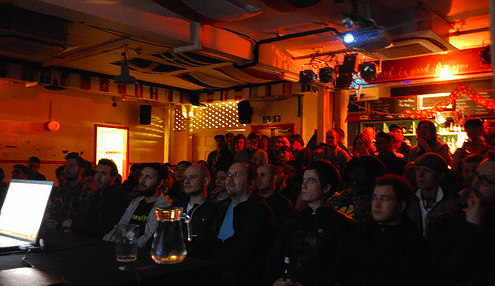
Photos are up from SeeNoEvil’s 1st Anniversary party at Kick Bar in London last night
Matt Lambert • 14 years ago
Reel Roulette updates with a Top 20 and Search
Reel Roulette updates with a Top 20 and Search
Bran Dougherty-Johnson • 14 years ago
Star Wars Uncut Trailer is NOW LIVE.
Star Wars Uncut Trailer is NOW LIVE. The film will be premiering in Copenhagen April 19th at CPH:PIX
Bran Dougherty-Johnson • 14 years ago
101 Yeahs by Ryan Junell and Philip Niemeyer
Very fun sounds, sound bites and creative animation in “101 Yeahs”, directed by Ryan Junell and Philip Niemeyer.
Tyquane Wright • 14 years ago
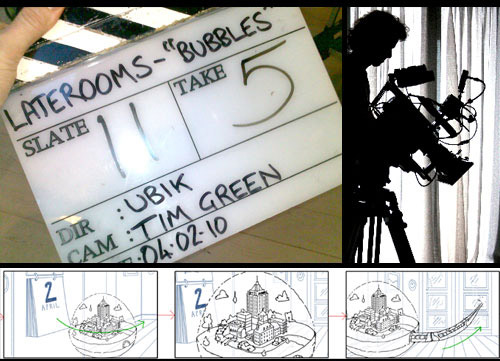
Not To Scale/Ubik: LateRooms.com “Bubbles”
London-based production company Not To Scale and director Ubik mustered their talents for agency BMB and discount hotel booking service LateRooms.com in “Bubbles.” The :30…
Read more
Justin Cone • 14 years ago
Gkaster Updates with New Work.
New work and reel from CG Artist, Pierre Magnol aka Gkaster.
Tyquane Wright • 14 years ago
Masterpieces in 3D
Masterpieces in 3D EDIT: Link Broken: Sorry, folks! Found a new one … D’oh! Gone again…
Bran Dougherty-Johnson • 14 years ago
Trollbäck for P&G
Trollbäck puts its simple and effective style to work in this nice new spot for P&G
Boca Ceravolo • 14 years ago
Not To Scale: LateRooms.com “Bubbles”
[qt:http://motionograph.wpengine.com/wp-content/uploads/2010/04/BMB-LATE105-030H264.mov 960 540] What was the brief for this project? Agency BMB approached us to make a commercial that had something of the same charm…
Read more
Justin Cone • 14 years ago
Stink Digital to open NY Office
Stink Digital to open NY Office
Bran Dougherty-Johnson • 14 years ago
See No Evil Tonight
See No Evil Tonight 7pm Kick Bar with Ubik, Man vs Machine and Adobe. See you there!
James Wignall • 14 years ago
Pixels Q&A with Patrick Jean
With over 2,026,435 views of the official film on Dailymotion in the six days since its release, Pixels has really spread far and wide very…
Read more
Bran Dougherty-Johnson • 14 years ago
onedotzero at Empac April 30th – May 2nd
onedotzero at Empac April 30th – May 2nd
Bran Dougherty-Johnson • 14 years ago
Eric Epstein for Migrant Rights
Eric Epstein’s beautiful pro-bono piece for a very ugly truth: modern day slavery in Middle East.
Lilian Darmono • 14 years ago
More Soon updates.
More Soon updates.
Igor Sordokhonov • 14 years ago
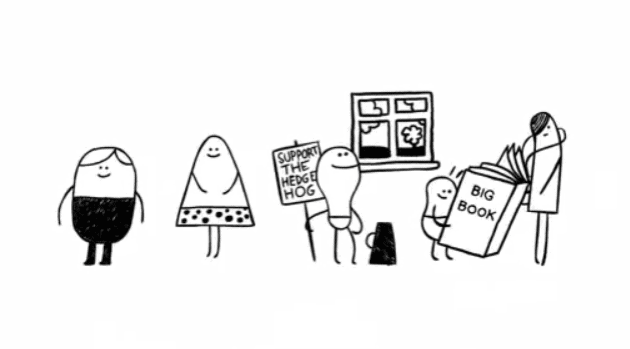
A Fair Future For All: animated manifesto film from the UK Labour Party.
A Fair Future For All: animated manifesto film from the UK Labour Party. Interesting use of animation and character design for political advertising.
Bran Dougherty-Johnson • 14 years ago