






There are artists who impress us, and there are artists who inspire us. Fletcher Moules manages to do both at once.
I have always said that Motion Designers are a rare breed. We do it all. We become the sound designers, the editors, the colorists, the directors. We sit alone at our desks and somehow operate like twenty people at once, a one person production company with a universe of skills.
And here is a story that began exactly that way, the story of a Motion Designer.
When Fletcher and I met to create this piece, I thought we were writing an interview.
Instead, it became something deeper, more human, and unexpectedly uplifting.
A map of a creative life.
A meditation on curiosity.
A reminder that the worlds we build often come from the smallest and most fragile sparks inside us.
In an industry that often moves too fast, Fletcher’s story slowed me down.
It brought me back to the feeling I had when I first discovered Motion Design, that quiet electricity in the chest when you realize that people out there are making magic with their hands, their eyes, their rhythm, and their stubborn insistence on bringing something alive.
Fletcher is one of those rare artists who has never stopped being a student.
He leads with humility.
He experiments with courage.
He worldbuilds with heart.
And he carries the same wonder today that he felt as a seven year old watching puppeteers breathe life into Jabba the Hutt.
This might be one of the most meaningful stories we have ever published on Motionographer. For the first time in my life, I even included two photographs taken by me, not because of their scale but because of their honesty.
This profile is a portrait of an artist still in motion, still learning, still opening new doors, still following the thread of curiosity wherever it leads.
If you have ever needed a reminder of why we do what we do,
I trust you find it here.
>>c
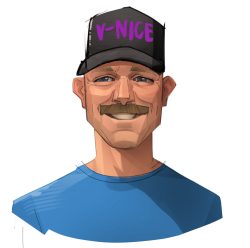
Intro
Some creative journeys begin with a single moment, an image, a sound, a moment that rearranges a life. For Fletcher Moules, that moment arrived at seven years old, watching The Making of Return of the Jedi and suddenly realizing that the magic on screen wasn’t magic at all. It was people. Hands. Puppeteers. Craft. A team breathing life into Jabba the Hutt, frame by frame.
That revelation didn’t just inspire him, it set the course.
It became the quiet compass guiding a career that would stretch from stop-motion creatures to Psyop and Nexus, from commercials to worldbuilding at scale, and ultimately to the long-form universes of Entergalactic, Agent Elvis, and the multidimensional life of a showrunner.
Over two decades, Fletcher has built a body of work defined by curiosity, rhythm, and a refusal to let tools dictate imagination. His path has never been linear. He’s broken pipelines, rebuilt them, and followed stories across mediums until they revealed their most honest form. And yet, beneath all of it, the craft, the technology, the cinematic ambition, is the same instinctive spark that began it all: a deep desire to make worlds feel alive.
This is the story of a life built frame by frame.
And the creative philosophy that continues to shape everything Fletcher Moules touches.
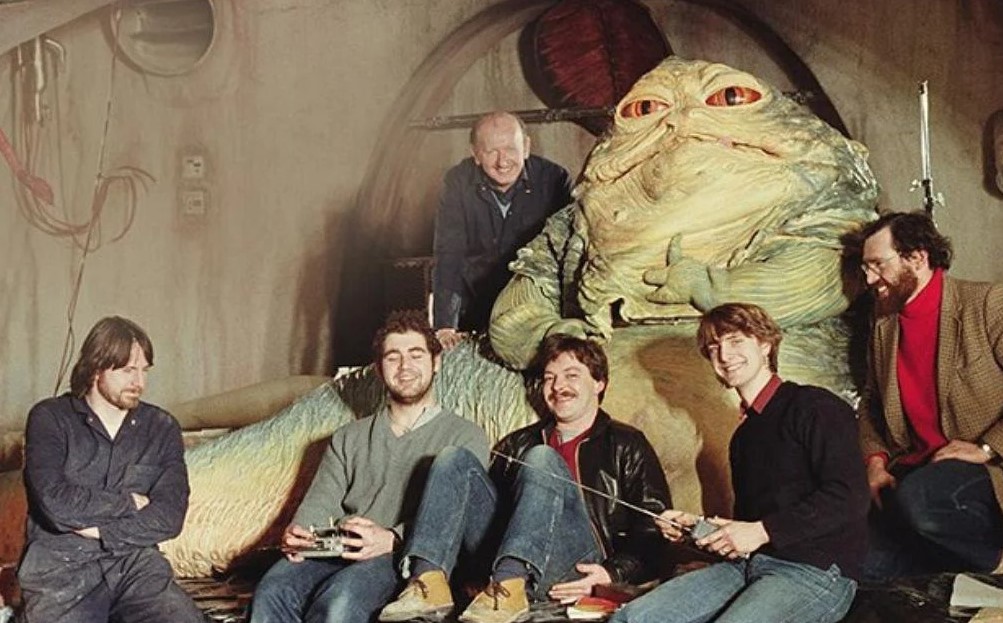
The moment that lit the spark: discovering that movies are made by people. Behind-the-scenes on Return of the Jedi. © Lucasfilm / Industrial Light & Magic.
The Lightbulb Moment: A Childhood Defined by Making
Some creative turning points arrive with fireworks, but Fletcher Moules’ moment of destiny came quietly, almost accidentally. He was seven, sitting in front of a TV in Australia, watching The Making of Return of the Jedi. What should have been a simple behind-the-scenes special suddenly cracked open the world. Jabba the Hutt wasn’t an illusion; he was a collaboration. A team. A construction of hands, sweat, puppeteers crawling inside a creature to make it breathe.
Filmmaking stopped being magic and became something far more powerful, possibility.
“I remember watching all those puppeteers and something just clicked,” Fletcher says. “Holy crap… people actually make movies for a living.”
In that instant, the impossible became a profession. A path. A life.
He didn’t know it then, but this quiet moment would become the anchor for everything that followed: the Motion Design experiments, the long nights at Psyop and Nexus, the leap into long-form storytelling, the leadership roles, the worldbuilding, the music, the shows, the entire creative constellation he’s built across decades.
And in a kind of narrative symmetry that feels almost scripted, one of his very first professional jobs was in the actual Star Wars creature department, helping build the kinds of characters that first set him on this path.
“I didn’t mean to literally end up in the Creatures Department on Star Wars,” he laughs. “But somehow I did. Crazy.”
Life, like animation, often finds its rhythm in unexpected frames. For Fletcher, that single childhood moment didn’t just inspire him. It defined the trajectory of an entire creative life.
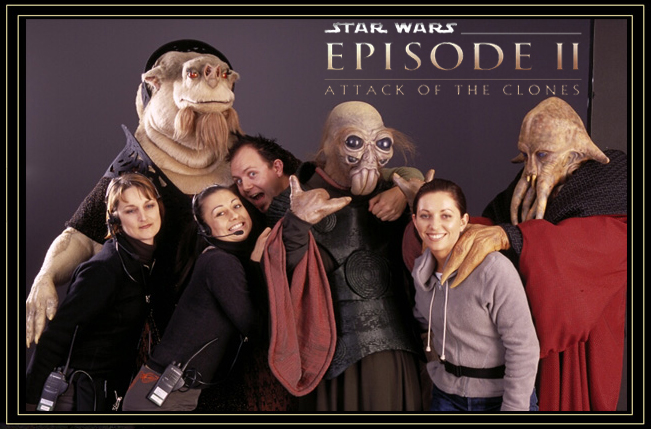
The Star Wars Creatures Team. (Fletcher is the one with his tongue out.)
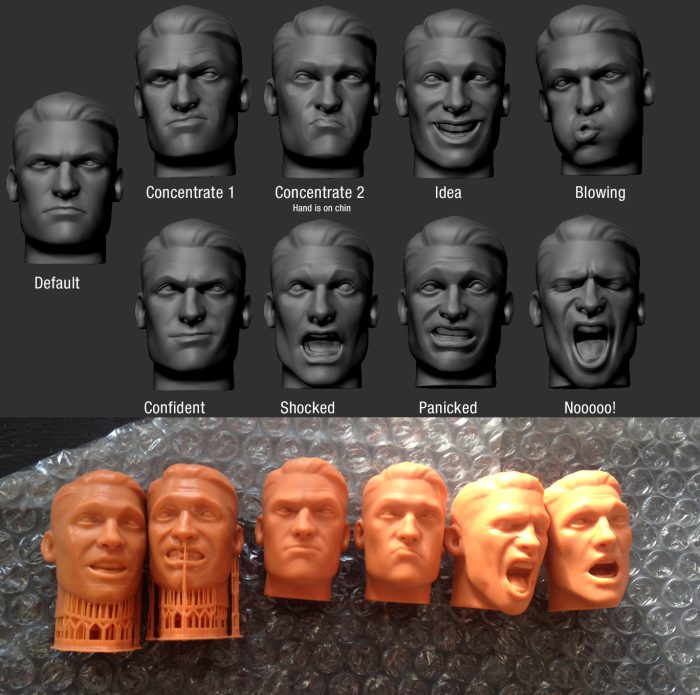
Craft first, software second. © Psyop
Hands Before Software: Lessons from Stop Motion
Before Fletcher Moules ever helmed a series, before the worlds and characters and soundtracks, there were hands – his hands – building creatures, lighting miniature sets, solving problems in real space.
His early years in stop motion didn’t just teach him technique. They rewired his relationship to tools, creativity, and problem-solving.
“Working in stop motion taught me that the computer should never be the one in charge,” he says. “It’s just another tool to serve the idea.”
Most people learn animation through software. Fletcher learned it through touch. Through friction, weight, texture, and the stubborn reality that physics doesn’t care about deadlines.
When you’re physically building a creature or adjusting lighting by millimeters, you develop a different kind of instinct, one driven by intent, not interface.
You learn that no plugin, renderer, or procedural system can replace the emotional logic of a moment.
Some of the oldest tricks remain the most believable.
Some of the simplest solutions are still the most magical.
“Some of the oldest, simplest tricks still create the most believable magic,” Fletcher says.
This early training planted a principle that he has carried across every medium he’s touched:
Tools shouldn’t shape the story, the story should shape the tools.
It’s why his worlds feel handmade even when they’re digital. It’s why his shows move with a grounded rhythm instead of technical bravado. And it’s why, decades later, he still approaches animation the way he approached those early stop-motion sets: with curiosity, constraint, and a willingness to make the tools bend to the idea, not the other way around.
Stop motion didn’t just start his career. It formed his creative north star.
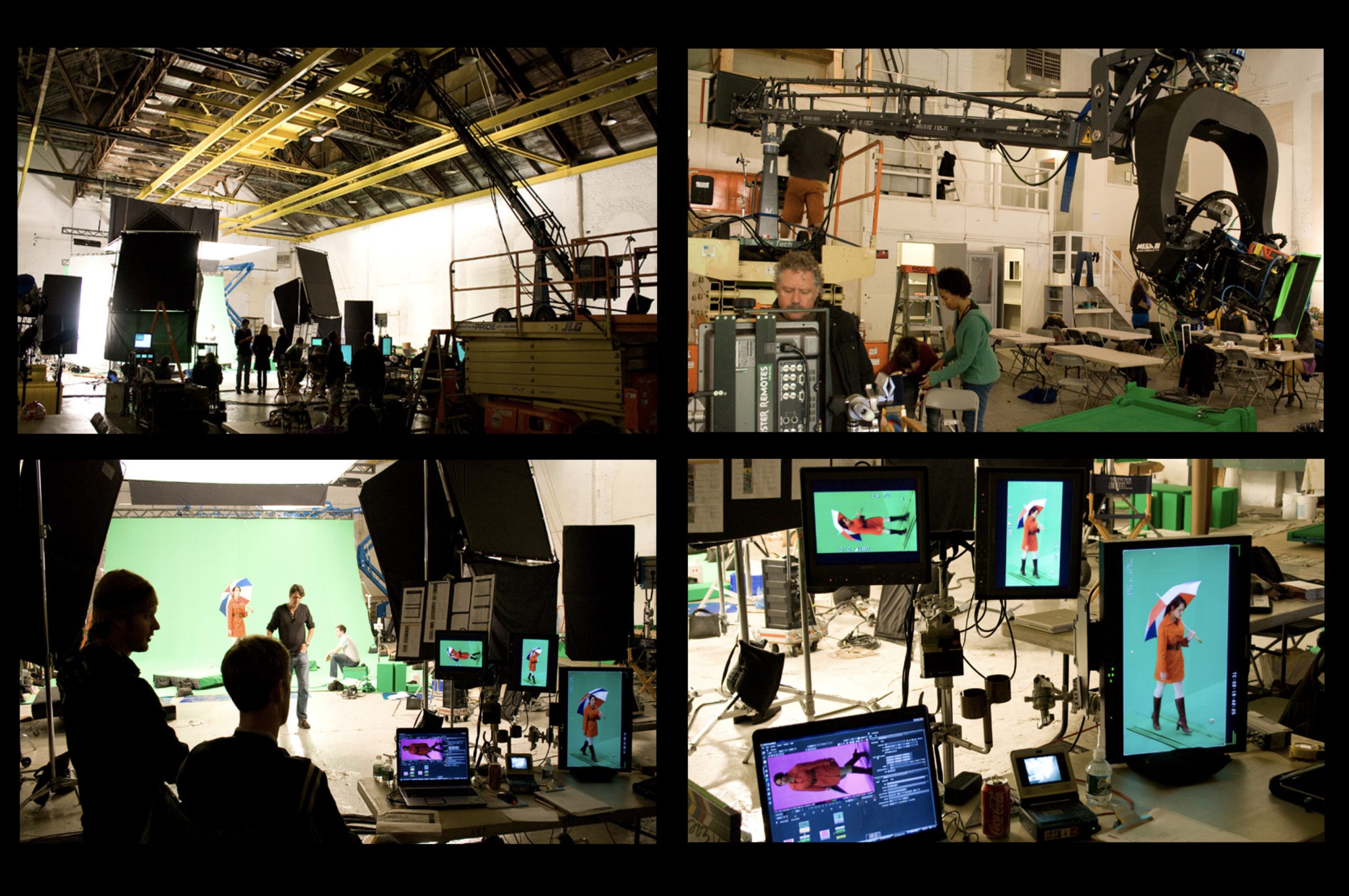
Behind-the-scenes © Nexus Studios.
Motion Design as a Mindset: Psyop, Nexus, and Fearless Experimentation
Before Fletcher Moules was building universes, he was deep in the trenches of Motion Design at Psyop and Nexus, two studios that defined an era by refusing to play it safe. Those years weren’t just a chapter in his career, they were a blueprint for how he still approaches storytelling today.
“Both Psyop and Nexus were pretty fearless in their creative approach,” Fletcher says. “Every project started with a deep dive into what visual style best served the story.”
It wasn’t about repeating a look, chasing trends, or relying on a proven pipeline. It was about finding the emotional truth of each idea, then shaping the visual language around it, often from scratch. At those studios, the pipeline wasn’t a limitation, it was a starting point. And if a project demanded something different, stranger, more daring, you broke it, happily.
That willingness to reinvent the process, to abandon comfort for curiosity, became one of Fletcher’s core creative instincts.
It taught him that:
• no style should ever be automatic
• no workflow should ever be sacred
• no idea should ever be boxed in by the tool that executes it
“There was always this willingness to break the pipeline if it meant finding something more original or emotionally resonant,” he says.
Those early days weren’t just about aesthetics, they were about courage, the courage to rebuild, reimagine, and pursue a visual approach that felt alive even when it meant stepping into the unknown.
The result was work that carried a signature energy, emotional, surprising, crafted, and unafraid to color outside the lines. And that spirit, that fearless experimentation, still shapes everything Fletcher touches today, from the rhythm of a scene in Entergalactic to the tone of a world in Agent Elvis to the music he makes late at night.
Motion Design wasn’t just a training ground. It was the moment he learned to trust boldness and let story drive every creative decision.

Where character, humor, and design met cinematic craft. © Psyop

Worldbuilding at a larger rhythm. © Netflix / Mad Solar / Khalabo Ink Society.
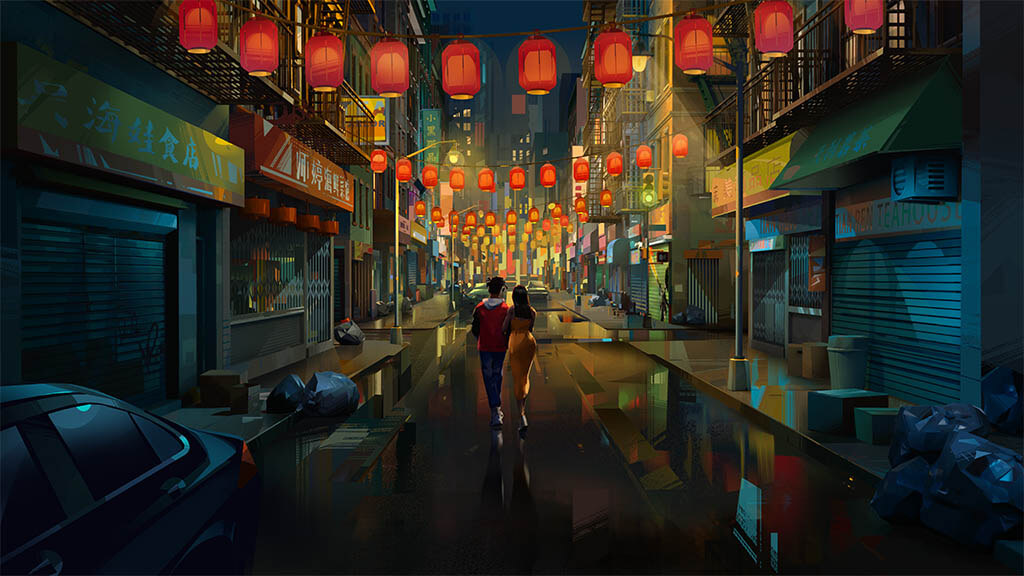
Still from Entergalactic. © Netflix / Mad Solar / Khalabo Ink Society.
Worldbuilding Across Mediums: Building Places People Want to Return To
As Fletcher’s career expanded beyond commercials, his creative responsibilities shifted from crafting moments to crafting entire worlds. Whether he is working in film, TV, or games, the goal is always the same, build a place that feels alive, a place with its own rules, rhythms, textures, and emotional gravity.
“For me, it’s about originality and coherence,” he says. “Creating a world that feels fresh, believable, and worth spending time in, no matter the medium.”
Instead of thinking in terms of format, a movie, an episode, an interactive level, Fletcher thinks in terms of experience. How does this world move. How does it breathe. What small details give it a sense of lived-in authenticity. What emotional truth anchors the characters to this place.
In his universe-building process, the most important question is never “What does it look like.”
It is “Why does it feel the way it feels.”
That shift, from visual aesthetic to experiential coherence, is what makes his worlds resonate. The geography, the lighting, the pacing, the sound, even the negative space all serve a deeper purpose, to make the audience want to return.
In Entergalactic, that meant turning New York into a stylized dreamscape, vibrant, romantic, neon soaked, but always grounded in the emotional reality of the characters. In other projects, worldbuilding might involve entirely new ecosystems with their own logic and internal metaphysics.
And in games, the challenge becomes even more intricate. Worlds cannot just look good, they must respond and behave. They need internal rules that guide movement, narrative, and player interaction.
Across all mediums, Fletcher’s approach remains consistent:
Build a world that feels believable enough to fall into,
and surprising enough to never want to leave.
It is less about spectacle, more about coherence.
Less about designing environments, more about evoking places with soul.
In this phase of his career, Fletcher has become less a director of images and more an architect of feeling, crafting immersive universes that blur the boundaries between animation, film, design, and play.
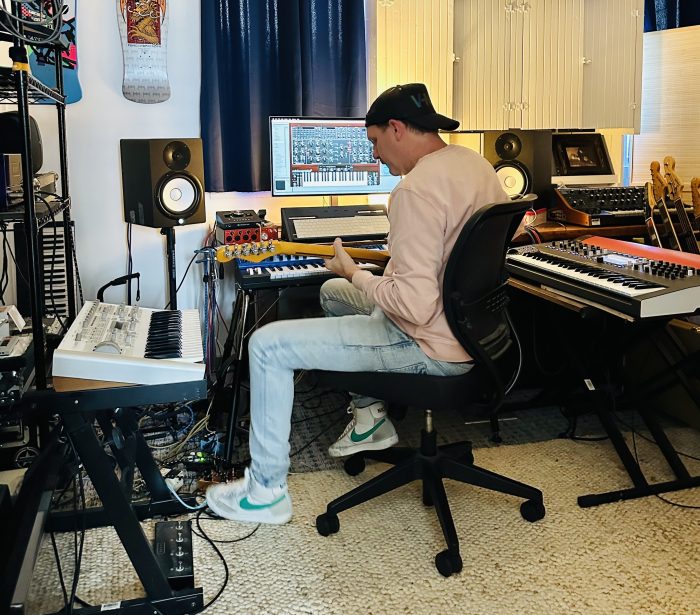
Where creativity becomes sanctuary. © Fletcher Moules
Rhythm, Timing, and the Study of Life
Even after years of working in animation, Fletcher still approaches movement like a student of everyday life. He is not thinking in seconds, he is thinking in frames. He is counting breaths, noticing weight shifts, and paying attention to the tiny hesitations that make motion feel human.
“Animation makes you think in frames, not seconds,” he says. “The pacing is kind of mathematical, but the goal is always the same, to make it believable, the opposite of mathematical.”
It sounds like a paradox, but it is the core of his practice. Animation is numbers until it suddenly becomes emotion. It is timing until it becomes truth.
What makes Fletcher’s work stand out is that he does not reference animation to make animation. Most of what inspires him comes from the physicality of real life and from the way live action captures subtlety, gravity, and presence. Even in stylized or heightened worlds, the behavior of his characters is grounded in how people actually move.
This instinct, sharpened over years of watching and observing, gives his characters a pulse. The way someone turns their head, the speed of a glance, how a shoulder drops or a breath catches, all of it is studied with the eye of a live action storyteller.
In long-form projects this instinct becomes essential, because rhythm is not only in motion, it is in story. It is in how scenes breathe, how emotions escalate, how a character shifts from one moment to the next. It is the invisible current that carries the audience forward.
For Fletcher, rhythm and timing are not technical details. They are the interior music of a story. They are how a world moves from shot to shot, and how characters become real, even when they are illustrated, rendered, or sculpted.
Animation gave him the discipline to count frames, but life gave him the intuition to make them feel alive.
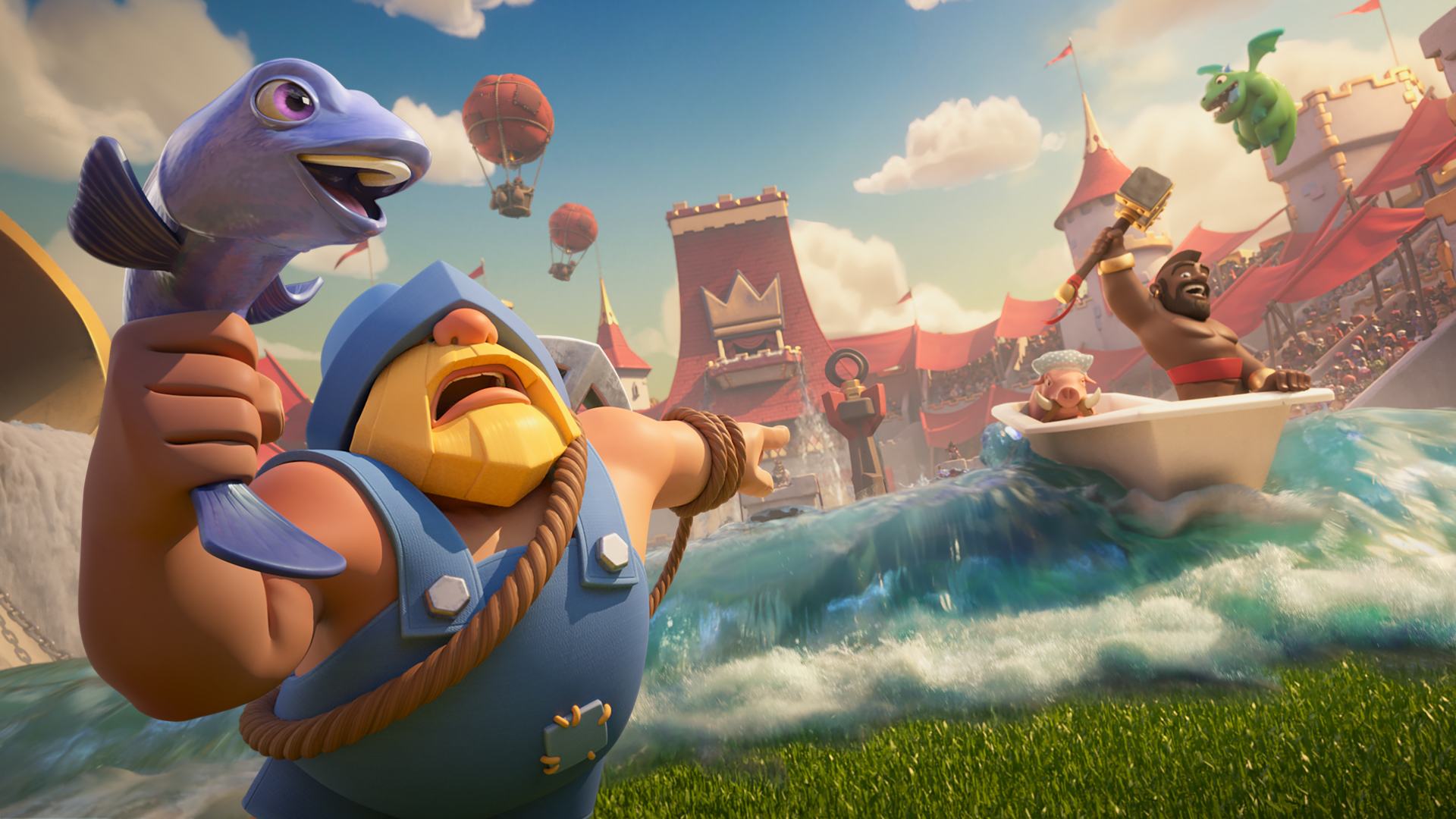
Spectacle means nothing without connection. Clash of Clans animated campaign. © Supercell.
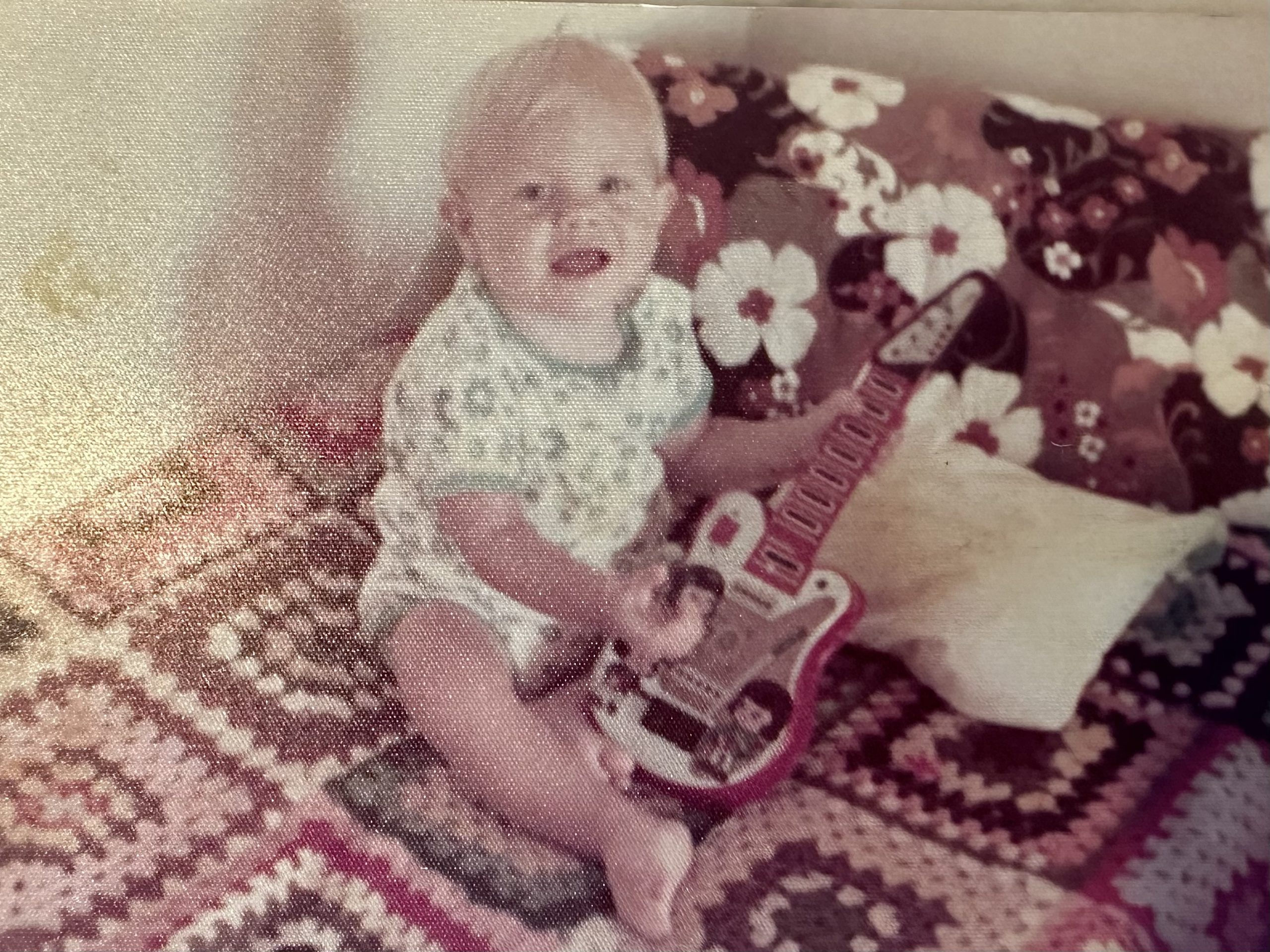
The first spark. Fletcher Moules as a toddler, already reaching for sound and story long before he knew where it would lead. © Fletcher Moules
Curiosity as a Lifelong Engine
After two decades of working across design, animation, film, and television, Fletcher Moules has never arrived at a place of creative certainty. He is not looking for mastery, he is looking for movement. Curiosity is the force that keeps him from becoming static, the thing that keeps his work evolving even when the tools or the mediums change.
“As artists, we are always creating from our experiences and whatever is inspiring us in the moment,” he says. “You don’t retire from curiosity, and so never from creating.”
For Fletcher, curiosity is not a lightning bolt. It is a practice. It shows up in the small spaces of life, not the big ones. It appears in late night experiments with music, in playful art projects with friends, in the unexpected joy of making something “stupid” just to laugh. It emerges in the itch to try a new tool, a new process, a new visual idea, not because it will become a show, but because it might open a door to one.
He treats creativity like a living organism that needs to be fed. Sometimes that means writing a melody. Sometimes that means sketching. Sometimes that means diving into a new piece of software he has no obligation to learn. Every new tool is a doorway. Every experiment a possible trajectory.
On the animation side, curiosity is also tied to technology. New pipelines and tools do not intimidate him, they energize him. They are invitations, not threats, ways to tell stories in forms that did not exist five years ago.
But the core of his curiosity comes from the inner world, the instinct to make things simply because they feel good to make. That is why his band, The New Condition, started as late night decompression therapy. It was just a release after long days of production, a way to stay connected to the original spark that got him into this work in the first place. Then, slowly, the side project became another place where curiosity blossomed into something bigger.
Curiosity is how Fletcher stays alive creatively.
It is what keeps him from repeating himself.
It is the quiet, private fuel behind the public work.
And it is the reason that even after decades in the industry, he still feels like there is always another door to open, another project to explore, another world waiting to be found.
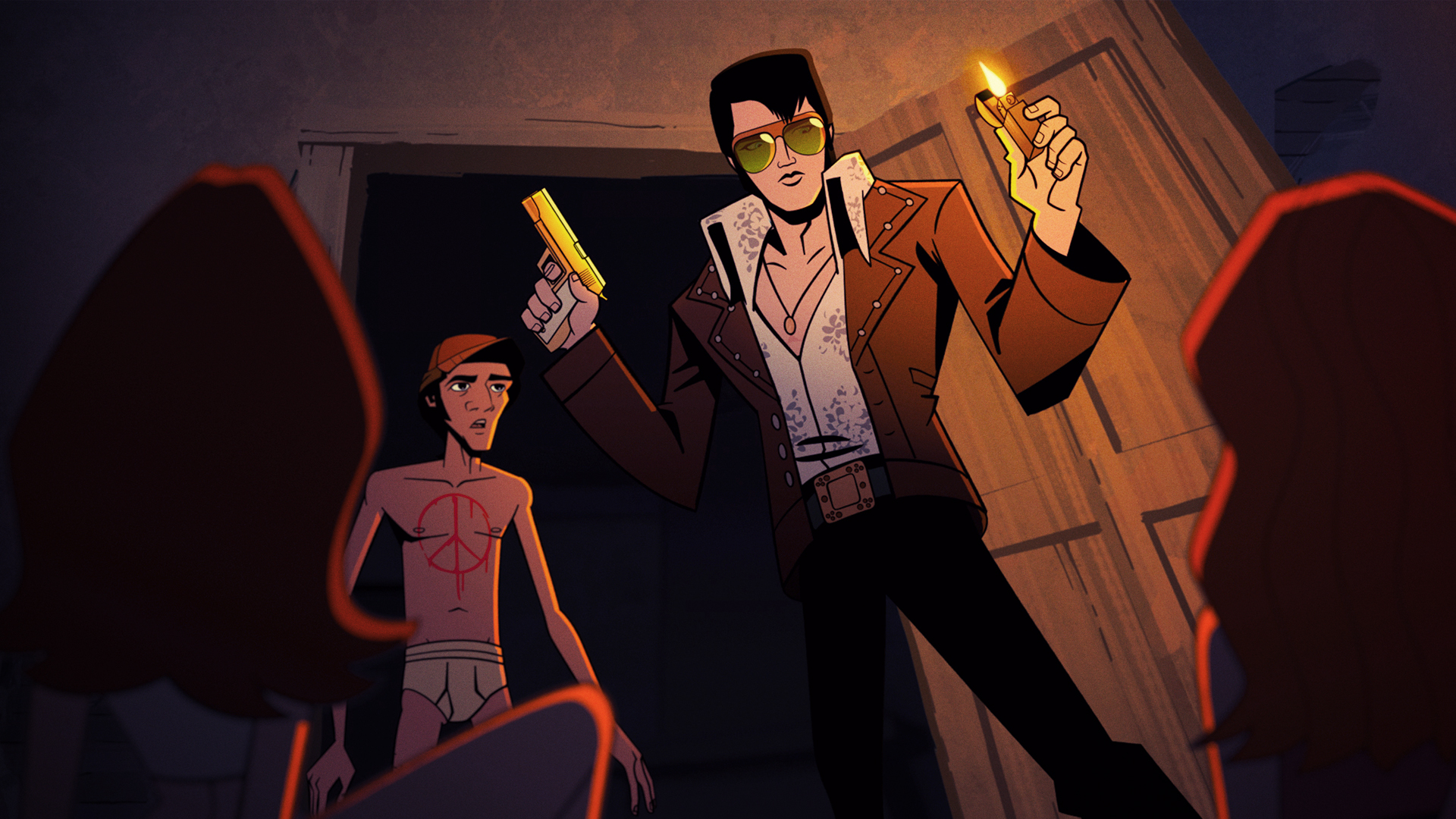
Clarity at the beginning liberates the team that follows. Agent Elvis © Netflix
Leadership and the Creative Bullseye
As Fletcher moved from designer to director to showrunner, leadership became less about managing people and more about shaping clarity. For him, the most important part of leading a creative team is defining the target, the emotional and visual bullseye everyone is aiming for. If that target is vague, the work becomes scattered. If it is sharp, everyone can operate with freedom inside that shared direction.
“In development, my job is to make the creative bullseye as small as possible,” he says. “Once the team grows, everyone needs to know exactly what we are making.”
It is a simple idea with enormous impact.
A unified tone, a clear story intention, a grounded set of rules for the world, all of that becomes the stage the team performs on. Once the stage is built, the magic comes from letting artists bring their own brilliance into the frame.
Fletcher’s leadership is less about control and more about alignment.
He sets the tone, defines the emotional heartbeat, then steps back so the animators, designers, writers, and directors can bring themselves into the process. The vision stays unified not because he dictates every detail, but because everyone is aiming at the same small, well defined center.
For Fletcher, clarity is not a limitation. It is a form of creative love. It gives teams the confidence to try, to experiment, to push, knowing there is a shared destination guiding them forward.
That is what leadership looks like for someone who grew up obsessed with rhythm, character, and emotional truth, someone who understands that stories only work when everyone is playing the same song, even if each person is holding a different instrument.
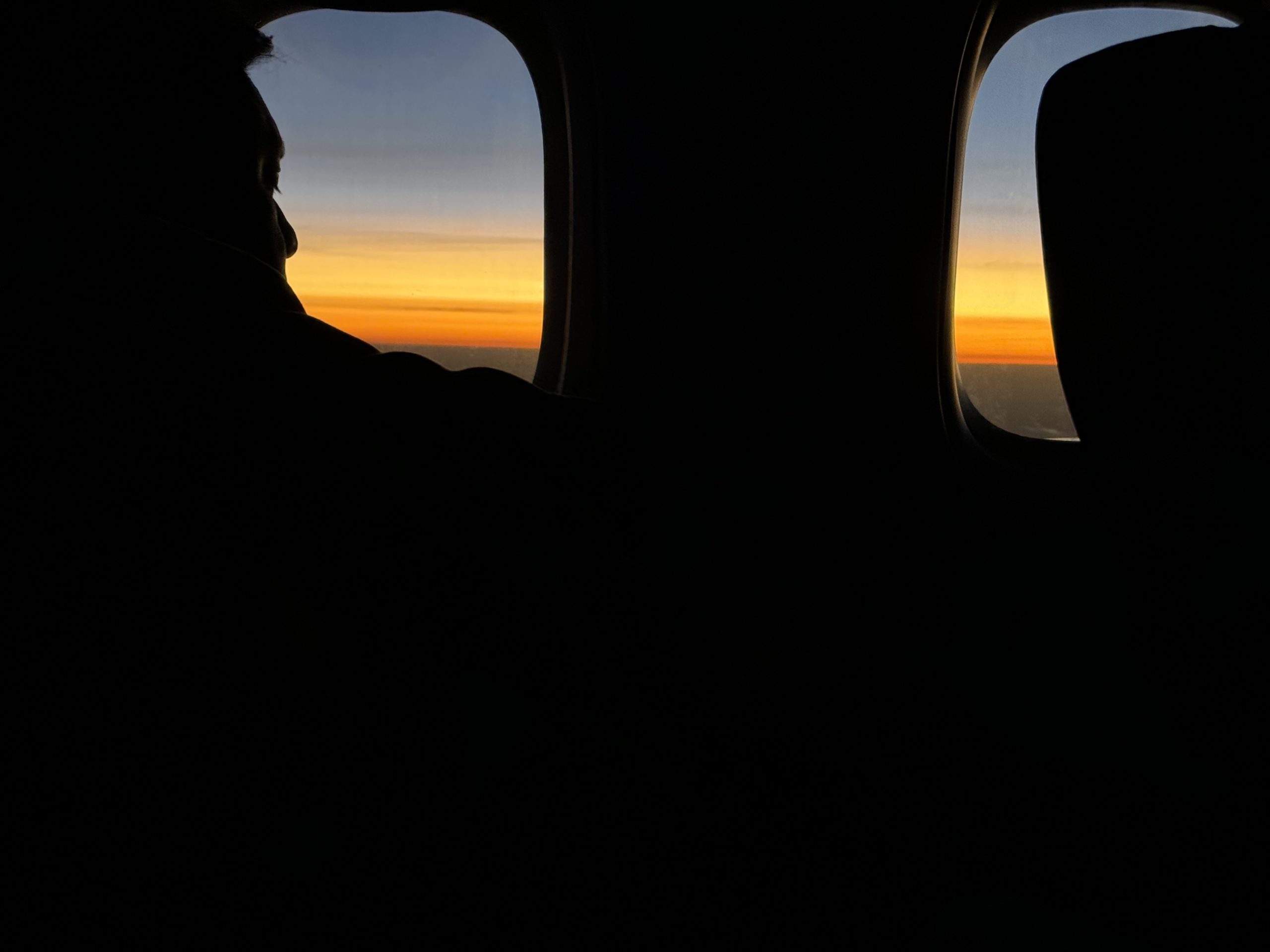
Somewhere between Los Angeles and Australia. – Photo by Carlos El Asmar.
Life in Los Angeles, Love for Australia
What began as a two year work trip somehow stretched into sixteen years. Los Angeles became the place where Fletcher built a career, formed collaborations, raised a family, and found himself surrounded by a city that moves at the speed of creative possibility.
“I moved here for what was meant to be a two year gig,” he says. “And it’s somehow been sixteen.”
LA has a way of absorbing ambition. It rewards those who arrive with ideas, and Fletcher has always had plenty. The energy, the proximity to film and television, the constant orbit of artists pushing toward their next breakthrough, all of it shaped the director he became.
“LA is full of possibility,” he says. “You are constantly surrounded by creative people pushing ideas forward.”
Yet Australia has never stopped calling to him.
It is not the beaches or the weather, though those help. It is the gravity of home, of family, of the friendships that formed him long before any production schedule or studio deadline. It is the memory of where all of this began, in a place half a world away from Hollywood, with a kid discovering how movies are made.
And then there is Chicken Twisties, the kind of specific, perfectly human longing that reveals how the heart actually works.
“What I miss most about Australia is of course family and old friends,” he says. “And honestly, Chicken Twisties.”
You can live in Los Angeles for sixteen years, build worlds for millions of people, collaborate with global teams across animation, film, and music, and still find yourself missing a snack only Australia gets exactly right.
For Fletcher, LA is where the work lives.
Australia is where the roots live.
And somewhere between the two is the creative compass that keeps him moving forward.
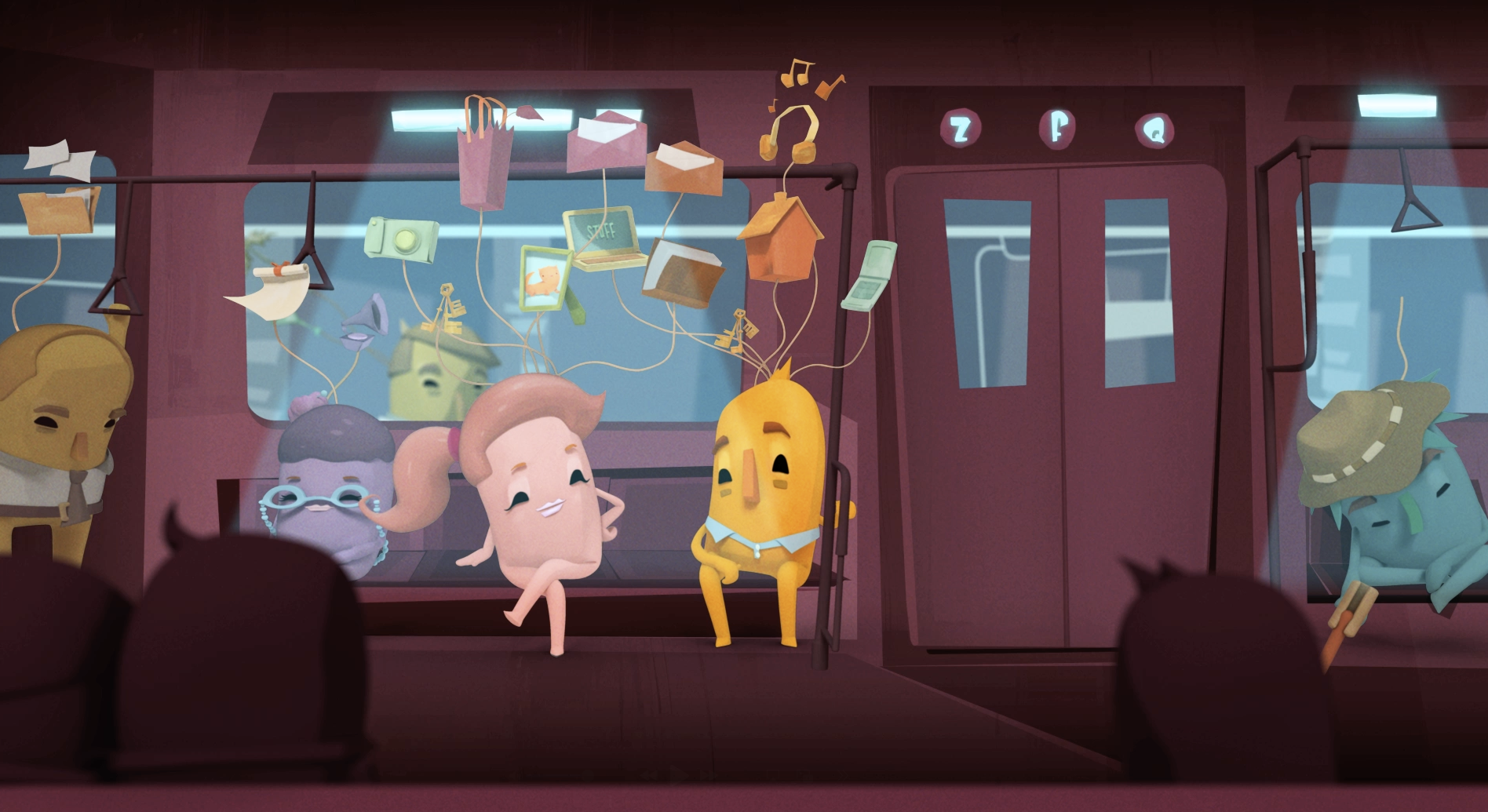
One of Fletcher’s early explorations into how animation can reveal the interior worlds we all carry with us. © Psyop
Music, Family, and the Art of Recharging
For years, music was Fletcher’s late night decompression ritual.
A way to unwind after long days of directing, producing, or shaping entire animated universes. What started as casual experiments with melody soon evolved into The New Condition, a full creative outlet with its own visual identity, album art, and music videos.
Becoming a father shifted the rhythm of everything.
Suddenly the time he once spent on mountain biking, skiing, or losing himself in a late night creative sprint became something far simpler and more precious.
“Things have changed a bit since becoming a father,” he says. “There is definitely less time for adventuring these days.”
His days off began to revolve around being present with his family, finding joy in small routines, exploring Venice with friends, or watching Formula 1 on Sundays.
“When I do get days off, it is really about being a dad and a husband,” he says. “Hanging at our local spots and catching up over Formula 1 races is my reset button.”
And still, music remains.
Alive. Essential.
It just lives in a different pocket of time now, one filled with intention rather than escape. What began as late night therapy has become another way of expressing where he is in life.
“My band, The New Condition, actually started as late night decompression therapy,” Fletcher says. “Then of course it turned into another full blown creative project with deadlines. What do I do to myself?”
Music is still there, still breathing, still a compass. It just carries a different kind of clarity.
For Fletcher, the real recharge comes from connection.
Family, friendship, rhythm, and a life that balances ambition with presence.

Between LA’s velocity and Australia’s gravity. Fletcher navigating the spaces that shaped him.
The Ongoing Trip
Years ago, Fletcher described his career as “one long working holiday,” a phrase that captured the strange, exhilarating sense of stumbling forward through opportunity and adventure. The metaphor still fits.
But now the holiday has new chapters, new tools, and new shapes.
“Yeah, I did say that,” he laughs. “It still feels true.”
This phase of his life feels like everything is looping back.
Threads from old chapters, his love of music, early collaborators, past projects like Clash of Clans, even childhood obsessions, are reappearing with new meaning.
It is as if the map of his career is folding over itself, connecting moments that once felt separate.
“This chapter feels like a lot of pieces from my past have come back in new ways,” he says. “The music, Clash of Clans, old friends, and now adding family into all of that.”
He is still on the same trip he started when he left Sydney. Only now he can glimpse the pattern.The work is broader, the worlds more ambitious, the mediums more fluid. But the energy is the same, the sense of stepping into something slightly unknown and wonderfully alive.
“It is a pretty special phase,” he says. “Everything is connecting in the best of ways.”
It is a chapter defined by reconnection, expansion, and deep creative play. The work is broader, the worlds more ambitious, the mediums more fluid. But the energy is the same, the sense of stepping into something slightly unknown and wonderfully alive.
It’s a chapter defined by reconnection, expansion, and deep creative play.

Where the next decade begins: in blur, in motion, in possibility. Image © Generated for Motionographer.
The Next Decade
Ask Fletcher what he wants for the next decade and he does not talk about awards, or budgets, or studios.
He talks about collapsing walls.
Animation, film, design, music, none of these disciplines live in silos for him anymore. Entergalactic proved how powerful a project can be when every tool in a creative life converges into one statement.
He wants more of that.
Projects that live in the intersections.
Work that is cinematic, musical, emotionally resonant, and visually fearless.
“I want to keep collapsing the walls between artistic mediums,” Fletcher says. “Entergalactic pulled together every tool and skill I have collected along the way.”
This next chapter is not about changing direction.
It is about widening the field.
Blending mediums until the categories fall away and what remains is pure storytelling, the kind of art that feels both inevitable and completely new.
“I would love the next decade to be about projects where all those worlds collide in unexpected, emotional ways,” he says.
The next decade, for Fletcher, is about freedom.
Creative freedom.
Structural freedom.
Emotional freedom.
The kind that lets someone bring their entire self to the work.
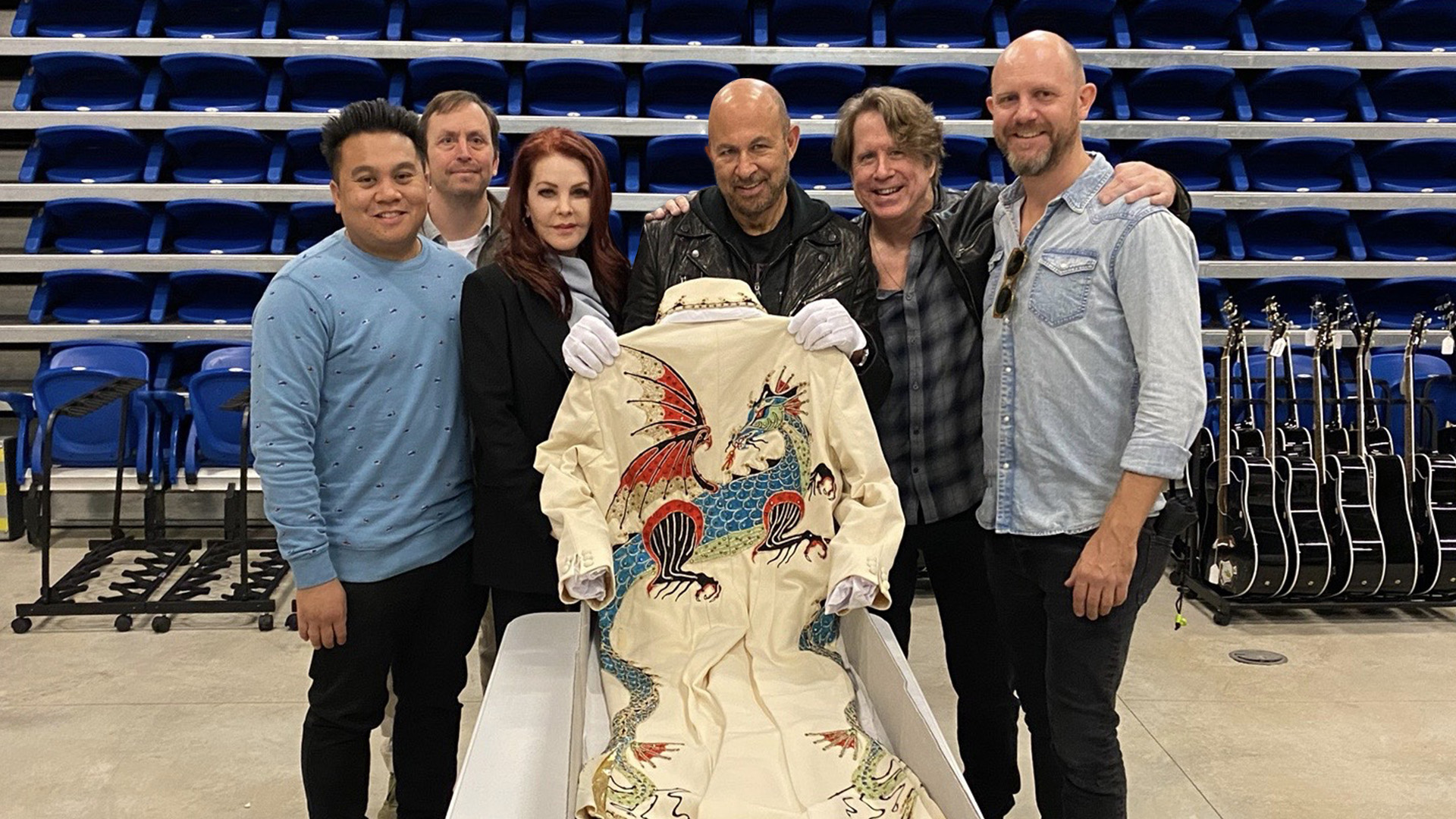
Creative sparks in motion. Elvis Crew Graceland
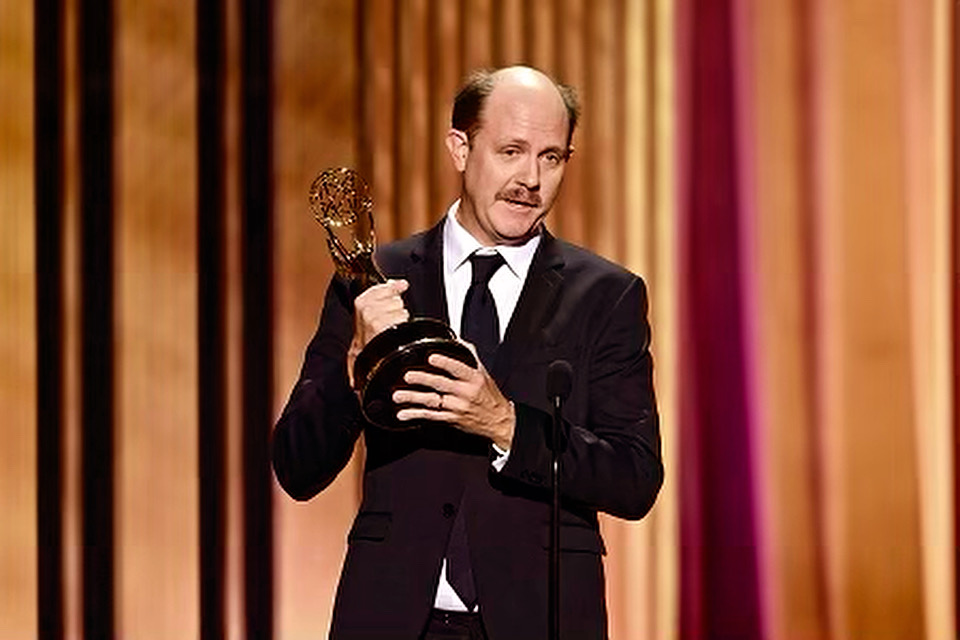
A life built frame by frame, from childhood sparks to global stages.
Closing Reflection
Editor’s Note: This is the first of two stories on Fletcher Moules. A second deep dive will explore his music project The New Condition and his groundbreaking AI-driven video.