









Stash First Annual Book
Before feeds.
Before platforms.
Before Motion Design had a shared language, scale, or visibility.
There was Stash.
In the DVD era, when the work was still commonly called motion graphics, Stash, founded by Stephen Price, was one of the only consistent ways to see what was happening in the field. You subscribed, you waited, you watched discs obsessively. You learned by replaying, pausing, and studying. Not trends or algorithms, just craft.
Stash wasn’t content.
It was access.
It made visible a practice that, at the time, largely lived behind studio doors and broadcast schedules. For many, it was the first confirmation that this work existed as a discipline, even before the discipline had a unified name, Motion Design.
Motionographer emerged during that shift, helping formalize and actively advocate for the term Motion Design, capital M, capital D, as a way to frame the field as design in time, not graphics in motion.
That shift wasn’t about branding.
It was about clarity and dignity.
Stash evolved as well. As DVDs gave way to the web, the archive moved online into a subscription-based model, offering access to the same kind of curated work that once arrived by mail, now available digitally. The format changed, but the impulse remained the same, to document, collect, and surface work that defined moments in Motion Design’s evolution.
Sometimes, culture advances through institutions.
Sometimes, it advances through moments.
That’s how this industry has always grown, not through rivalry or ownership, but through curiosity, generosity, and shared belief.
Stash First Annual Book
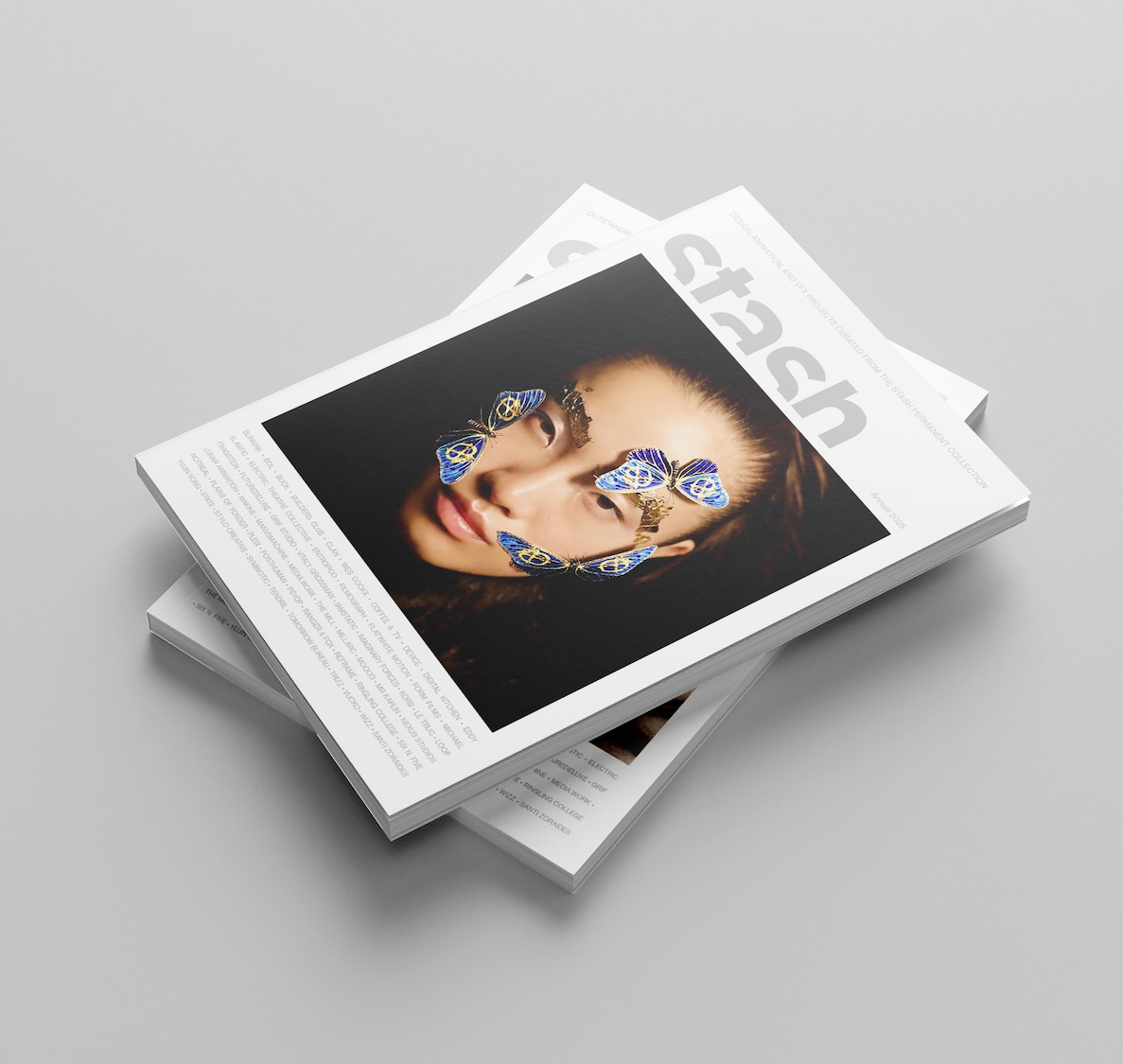
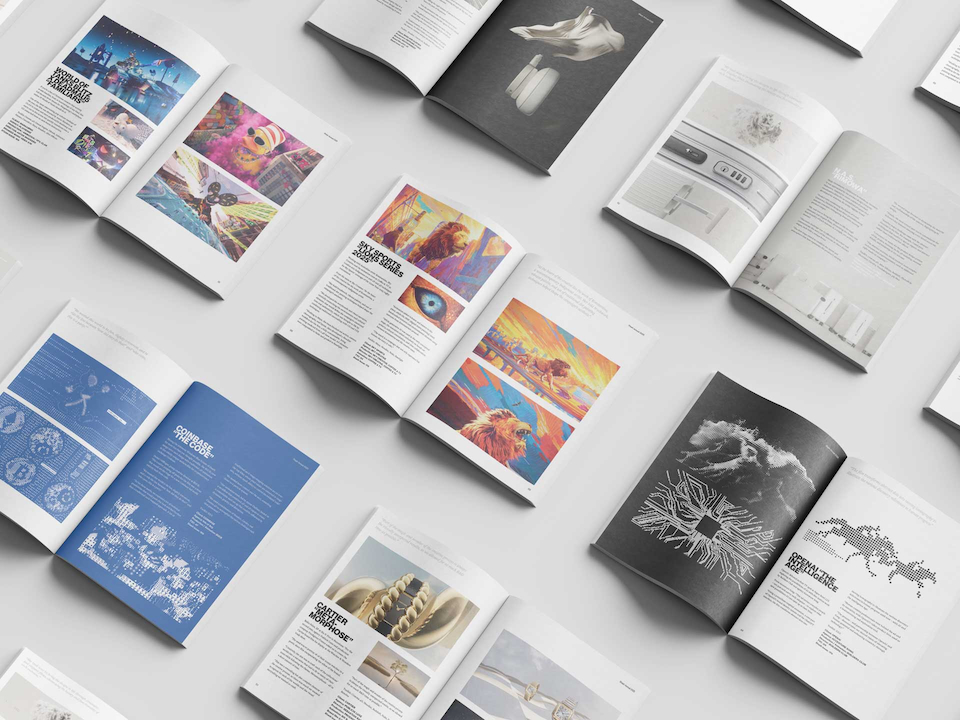
Recently, Stash introduced something new, its first Stash Annual Book. A physical artifact in a digital era, it reflects a continued belief that some work deserves to be slowed down, revisited, and preserved beyond the feed.
This industry has never been built by one person or one platform. It has been shaped by many hands, many imperfect efforts, many overlapping visions. Some were archives. Some were stages. Some were conversations. Some were communities.
Stash played a foundational role in that history.
It helped define an era.
It helped many of us find our way in.
Motion Design is richer because multiple things existed at the same time, pushing, documenting, questioning, and preserving.
Because an industry that forgets its lineage loses more than memory.
It loses humility.
And Motion Design deserves better than that.