







In our exploration of Concept Art’s purpose in production and the challenges that shape its place in the industry, it becomes clear that its true value extends beyond any single pipeline or technological shift. Artistic voices, creative inspiration, and the ability to help tell stories through finding design solutions are the qualities that give Concept Art and Illustration its lasting impact.
The final part of this series will focus on the enduring value of Concept Art, highlighting personal artist insights and exploring how creativity, individuality, and thoughtful design will continue to shape the future of visual storytelling.
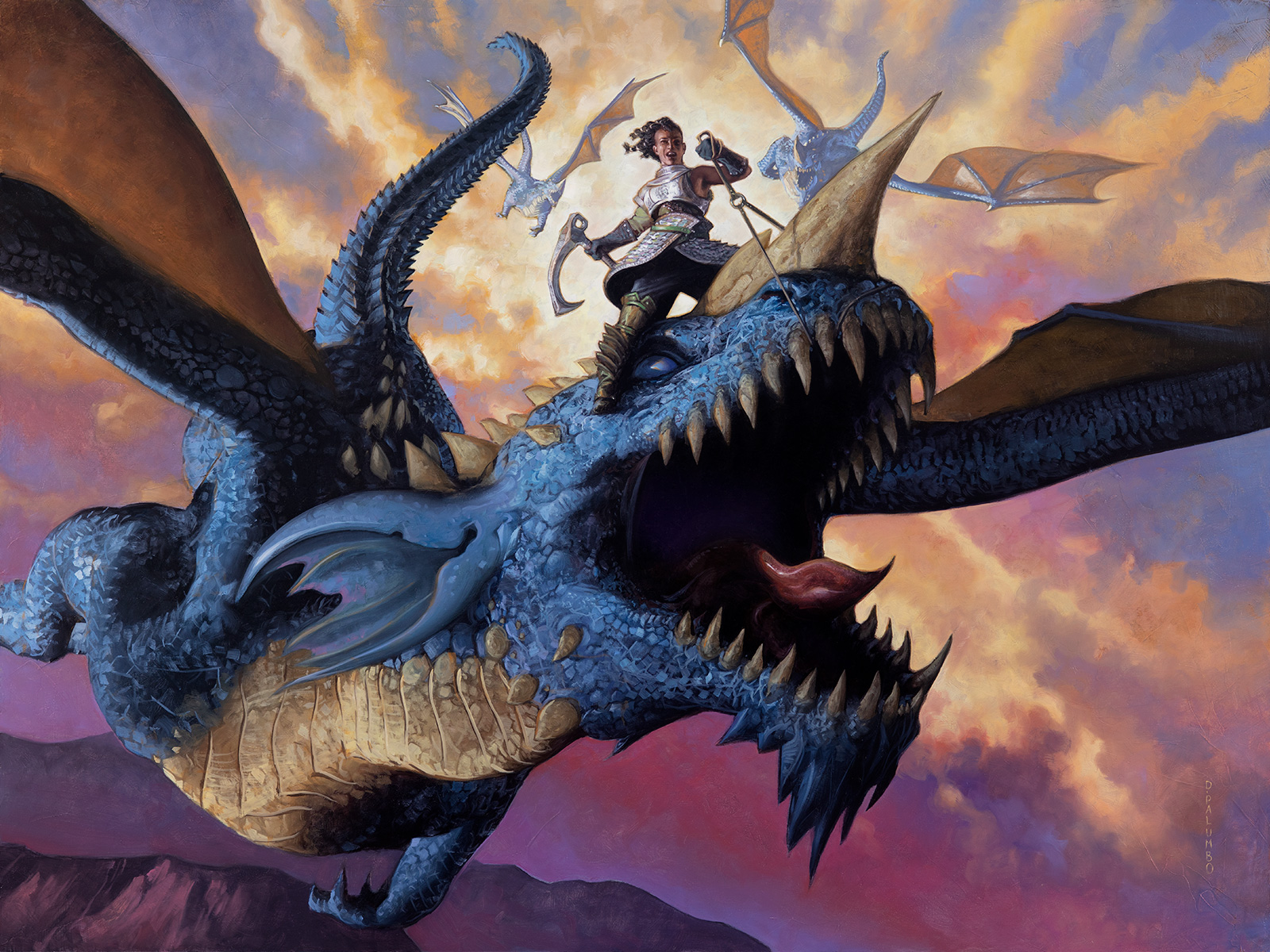
Dragon Rider, David Palumbo, 2022.
PASSION AND VALUE
No matter what corner of the creative world one may end up in, artists all tend to share common ground: passion. While keeping the realistic expectations of pursuing art and design as careers is undoubtedly required, it’s equally important to embrace creative fulfillment. It is those who cling to their passions and motivations that not only embrace the tumultuous, ever-changing world of creativity, but thrive within it.
The featured artists of this series provided insight on where they find lasting value in their work, as well as some of their most passionate and fulfilling projects.
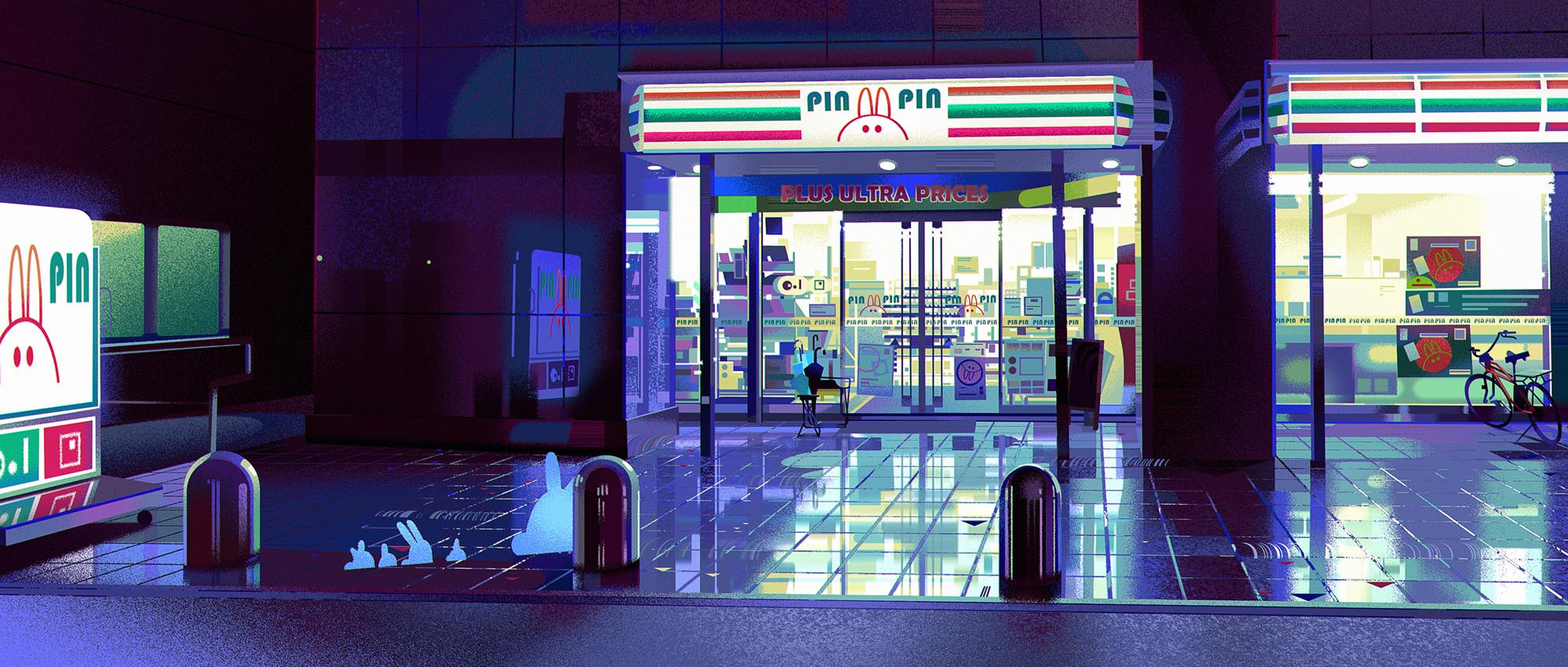
Léa Pinto, PINPIN Store, 2025.
EDUARDO PEÑA
Eduardo Peña finds satisfaction in the constant demand for curiosity that comes with his work. He explains, “Every project invites me into a new world, whether it’s science fiction or fantasy, historical or futuristic, and each requires a different kind of research and understanding… As designers, we’re a bit like polyglots; we learn to speak many visual languages, to understand how design influences the way people live, think, and feel. What I love most is that my work pushes me to keep learning, to travel, to observe, and to connect deeply with the world around me. It’s through that understanding that I can create designs that feel alive and meaningful.”
Since storytelling and reference is such an integral part of Concept Art, it leads artists to discover parts of real-world history as well as trends in media. Many artists find satisfaction in this process, especially when it comes to figuring out how to integrate many different concepts into one, resulting in unique and fresh perspectives told from countless angles.
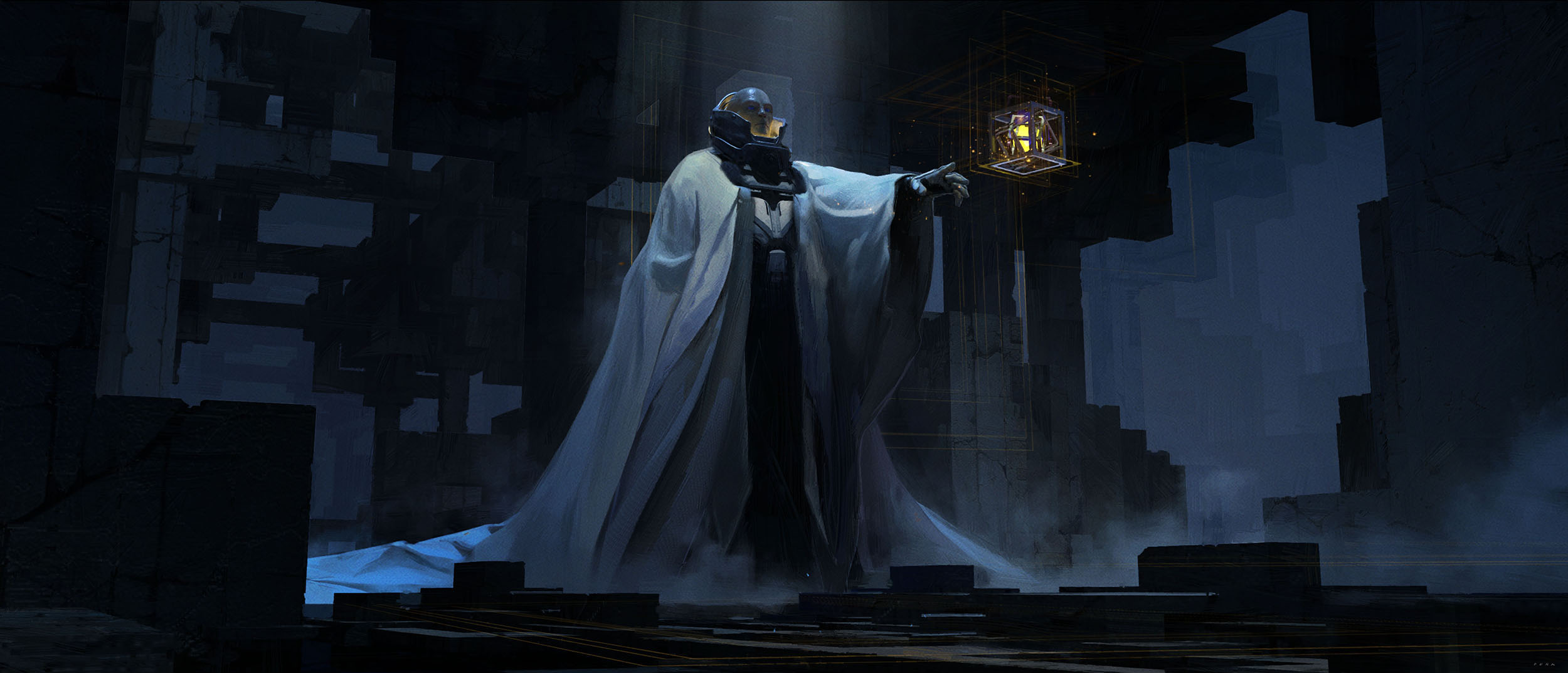
Eduardo Peña, King Zolido: Summoning the Hypercube, 2023.
Eduardo Peña also often shares his personal projects, pursuing them alongside his work as explorations that help him “grow as both an artist and a person.” He talks about the inspiration and benefits he finds in one of his projects, Tigris & Michis:
“My personal projects are more than creative exercises; they’re reflections of life, transformation, and curiosity. Tigris & Michis, for example, began during the pandemic, in the Year of the Tiger, as a metaphorical story born from that time of introspection and renewal. It follows the connection between two symbolic forces, one representing vitality and physical strength, the other representing inner light and emotional depth. Their journey is about growth, discovery, and balance, expressed through the lens of myth and fantasy.”
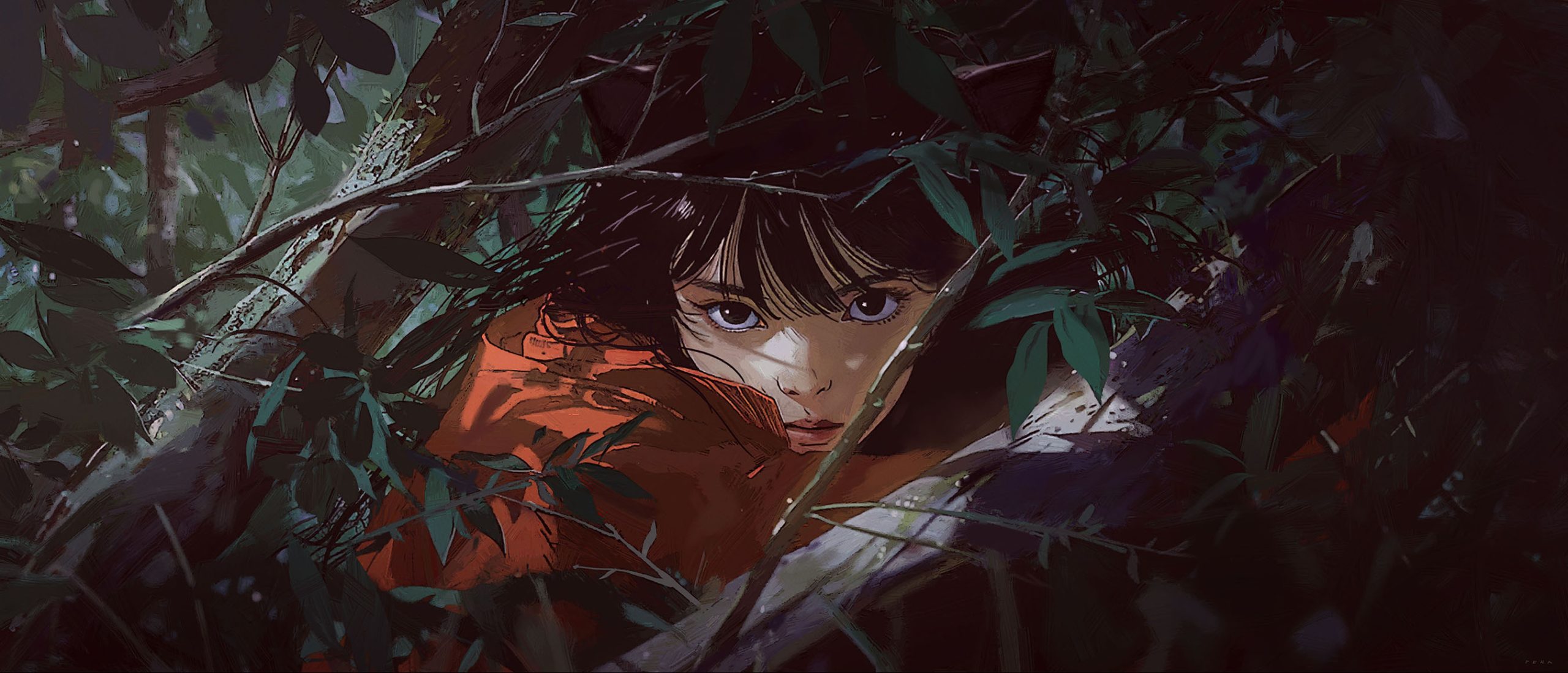
Eduardo Peña, Tigris & Michis: Whispering Canopy, 2025.
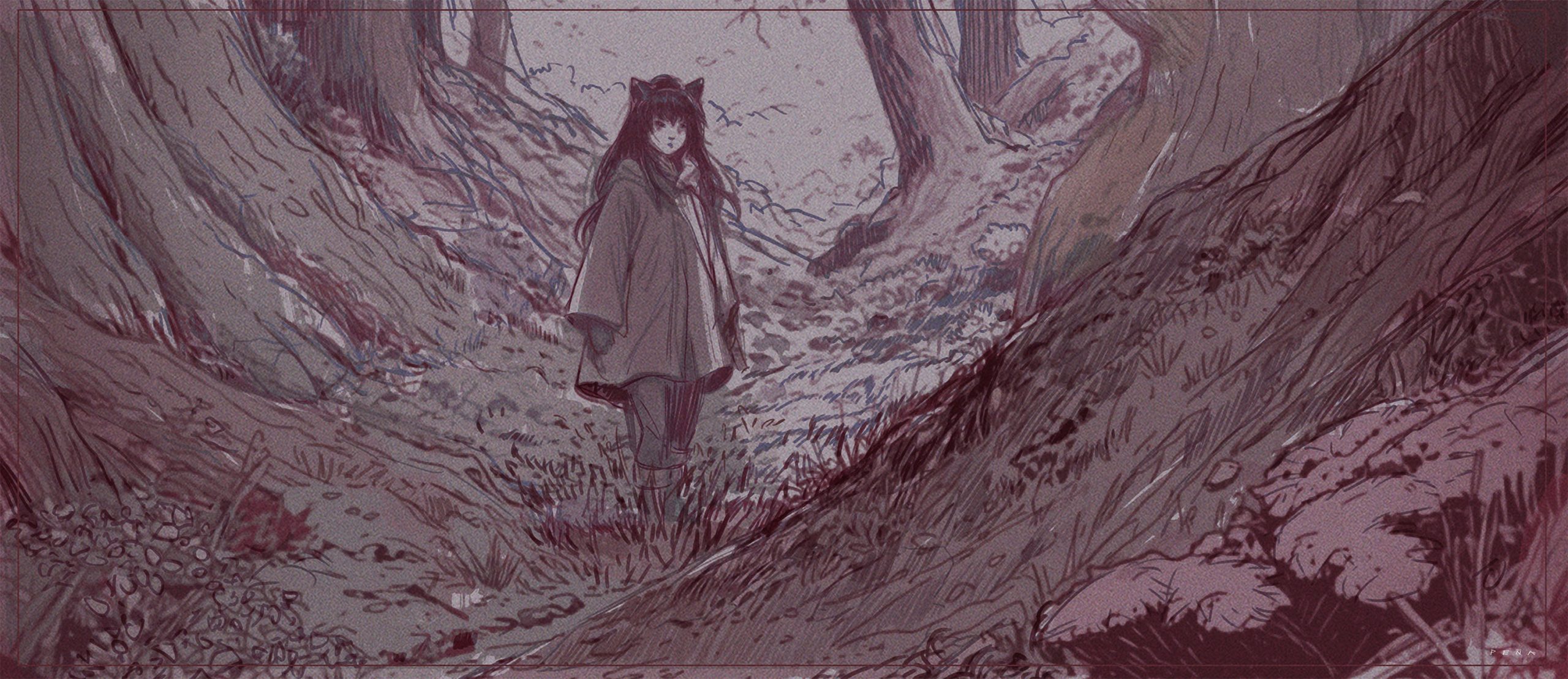
Eduardo Peña, Tigris & Michis: Layout, 2024.
It is important to step away from the whirlwind of requirements that come with the professional world and reconnect with the passion that drives you to create in the first place.
He continues, “Each world I build becomes a space to reflect, experiment, and evolve, to process experiences and transform them into visual language… That personal exploration has ultimately made my professional work stronger, more intentional, and more human.”
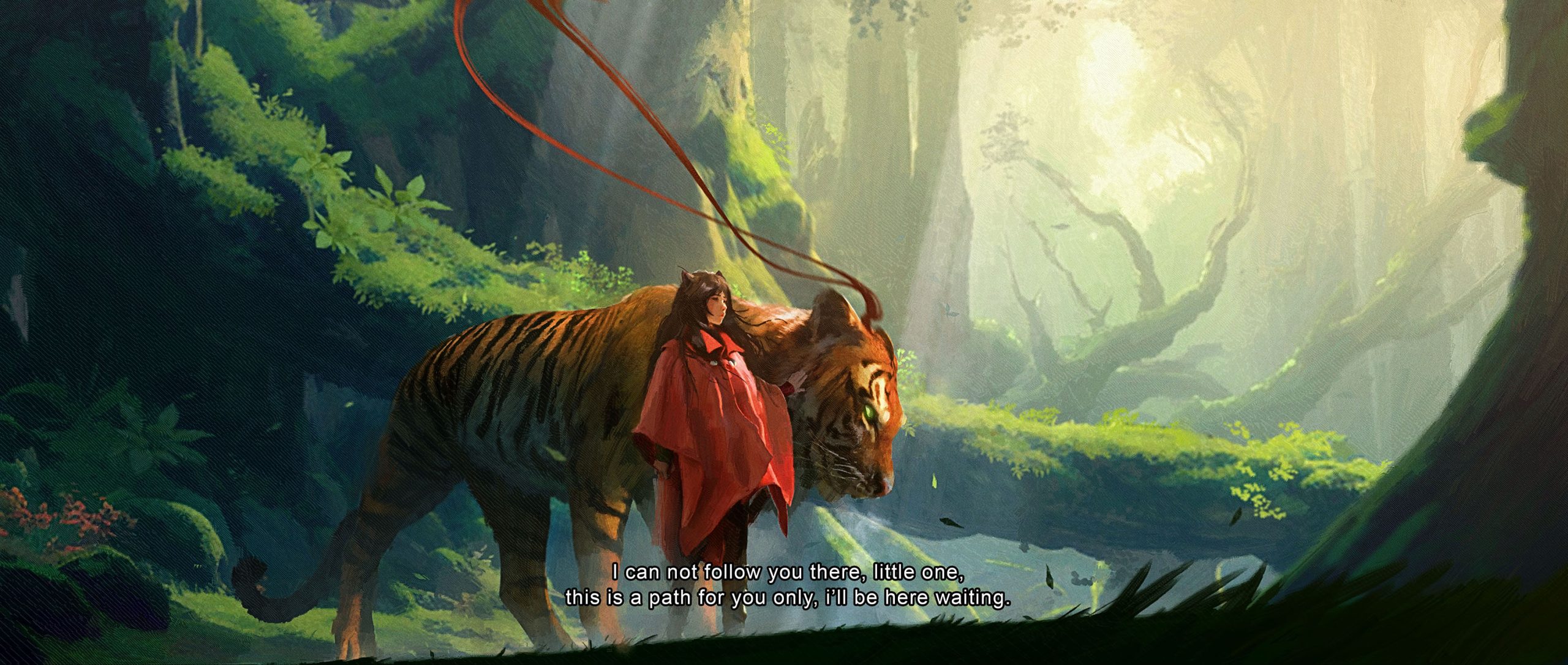
Eduardo Peña, Tigris & Michis, 2023.
LÉA PINTO
Léa Pinto shares a similar answer for what she values the most about her creative work: “Curiosity, learning a little more every day!” Throughout an endless variety of projects and pursuits, embracing insatiable curiosity is a shared throughline that serves as a connection point for so many artists.
Pinto also finds satisfaction in her personal work and uses it as a stepping stone for improvement in her professional career. She notes, “I also make sure to do at least one personal painting between two productions to take stock of what I have learned, what I want to integrate into my processes or not. Painting for myself remains very important.”
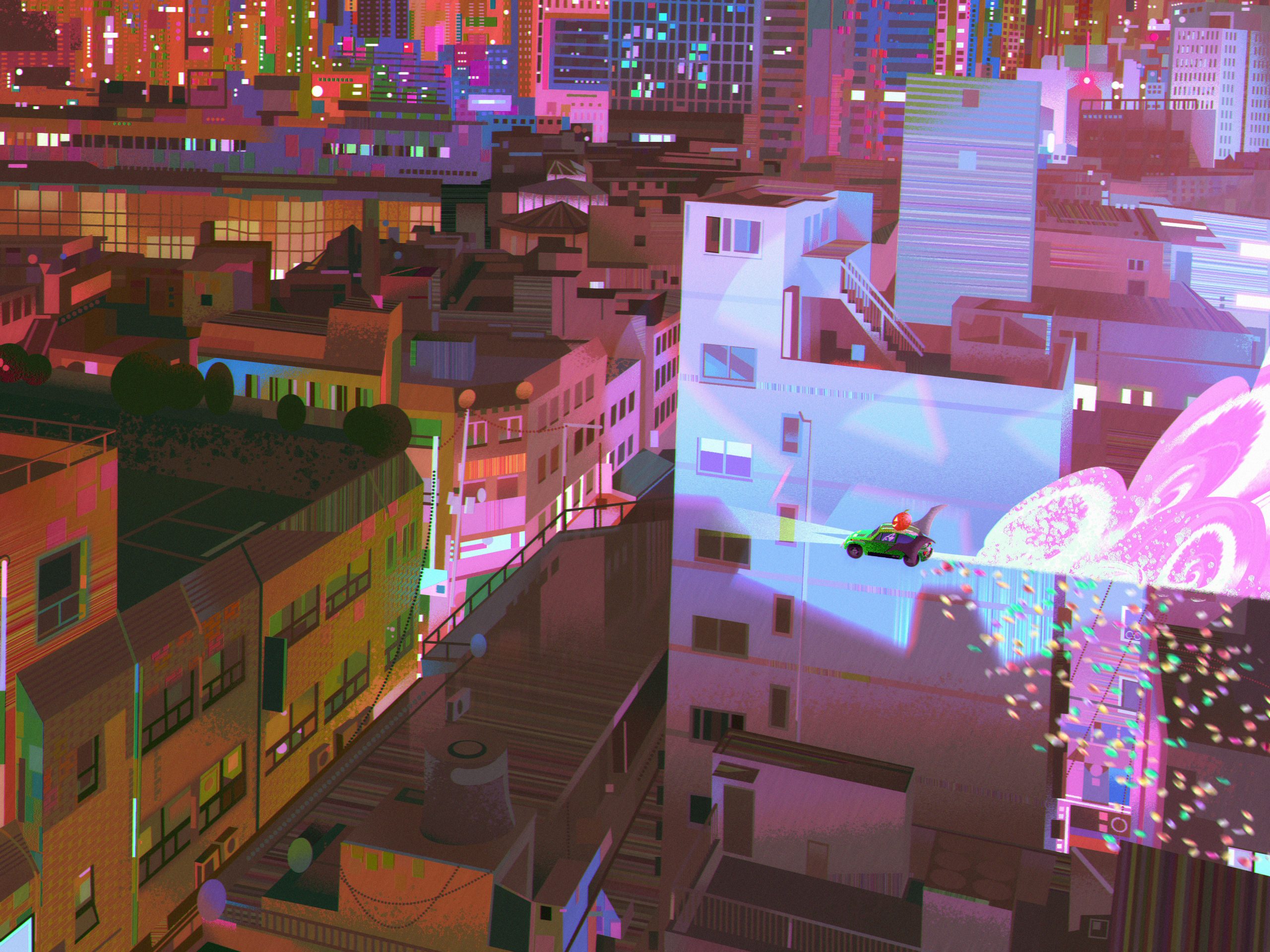
Léa Pinto, Candies Before Christmas, 2025.
One of the many noticeable projects that she has given insight to is her work on the Love Death + Robots episode titled “Jibaro.” The animation of Jibaro strikes a balance between gritty realism and unique stylization.
When talking about her work on background paintings for the episode, she describes it as a challenge. “It was one of my first projects, I would still consider myself a junior… I had to learn and adapt to the needs of the team quickly. I think it was this project that made me learn and understand how an animation pipeline works and how to understand the needs of a team. This is one of my best experiences so far.” Her work on Jibaro is emblematic of how creative challenges lead to artistic improvement.
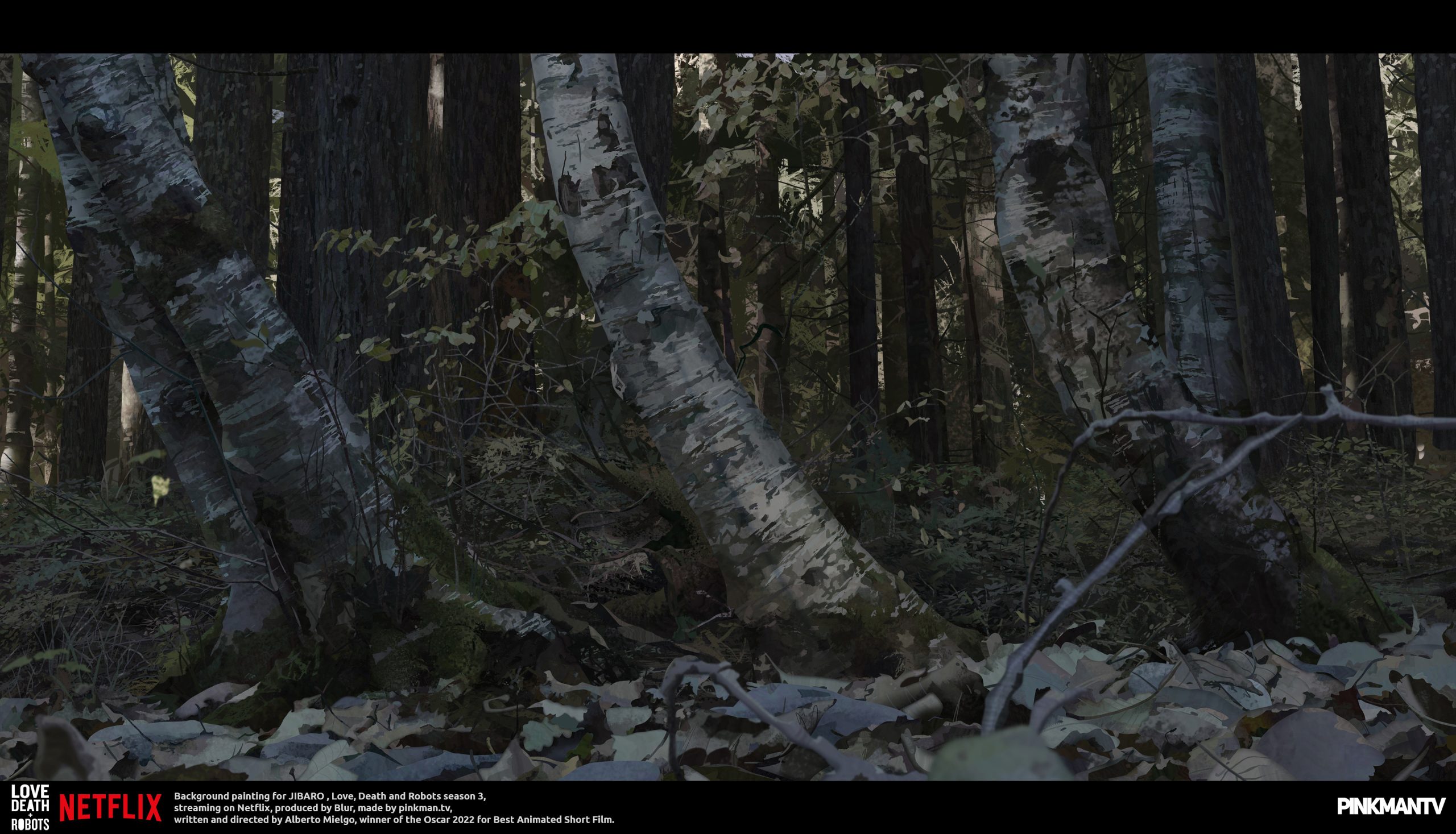
Léa Pinto, JIBARO, Love, Death + Robots Background Painting, 2022.
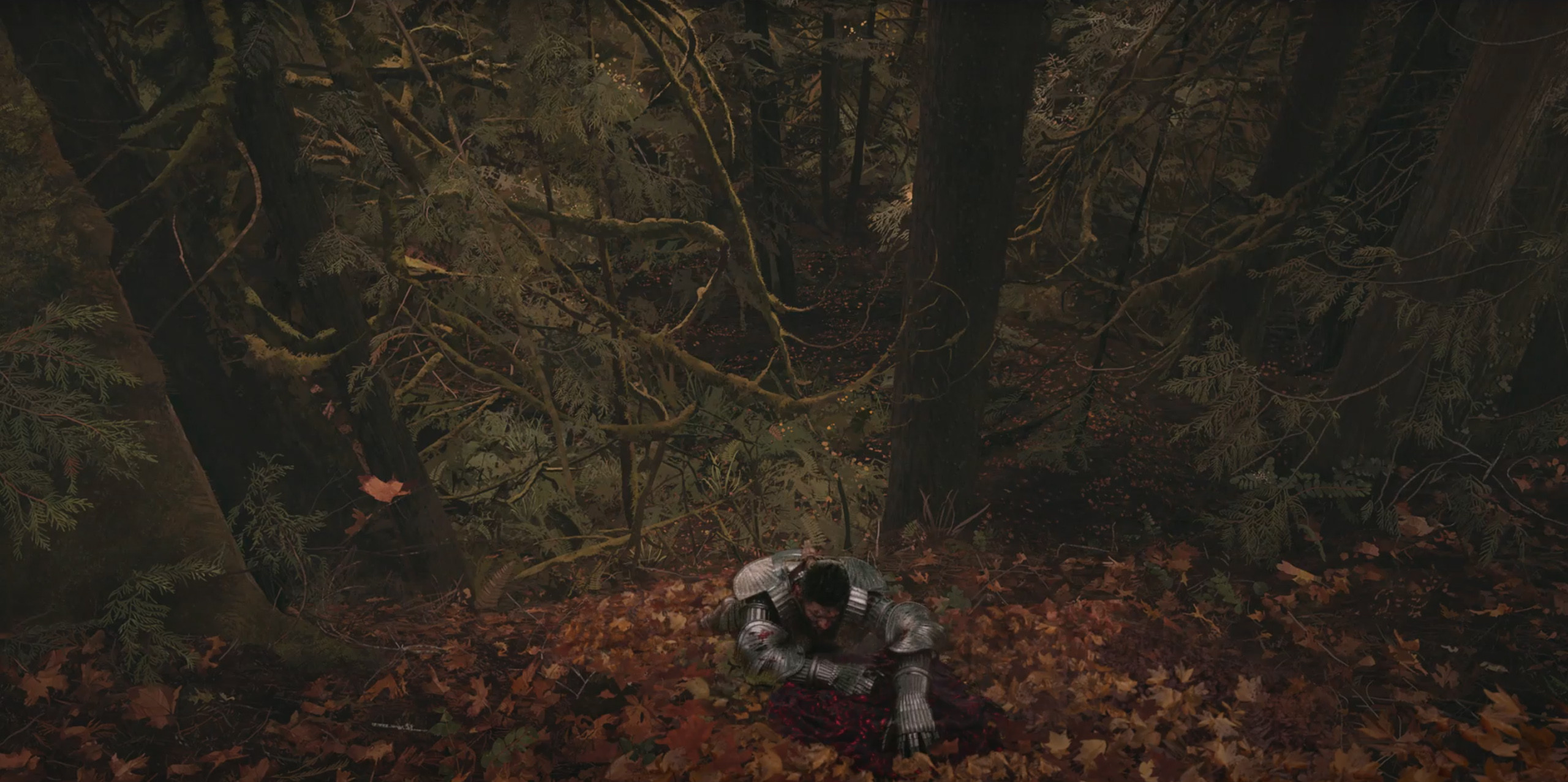
Léa Pinto, JIBARO Love, Death + Robots Background Final, 2022.
DAVID PALUMBO
David Palumbo finds his artistic fulfillment in creating meaning and connection. He reveals, “It’s always important to me that each piece has purpose behind it and that each piece has an emotional intention. I want the viewer to connect with the piece. I think to achieve that, it’s important to know why you’re making it and how you want it to feel. The answers to those questions can sometimes be very simple, but I think it’s important to keep them in mind.”
Not only can artists find value in the curious nature of research and piecing ideas together, viewing the big picture is beneficial for both creative voices and audiences. From Concept Art to Illustration to many other practices, art forges connection, which can be found in even the simplest of pieces.
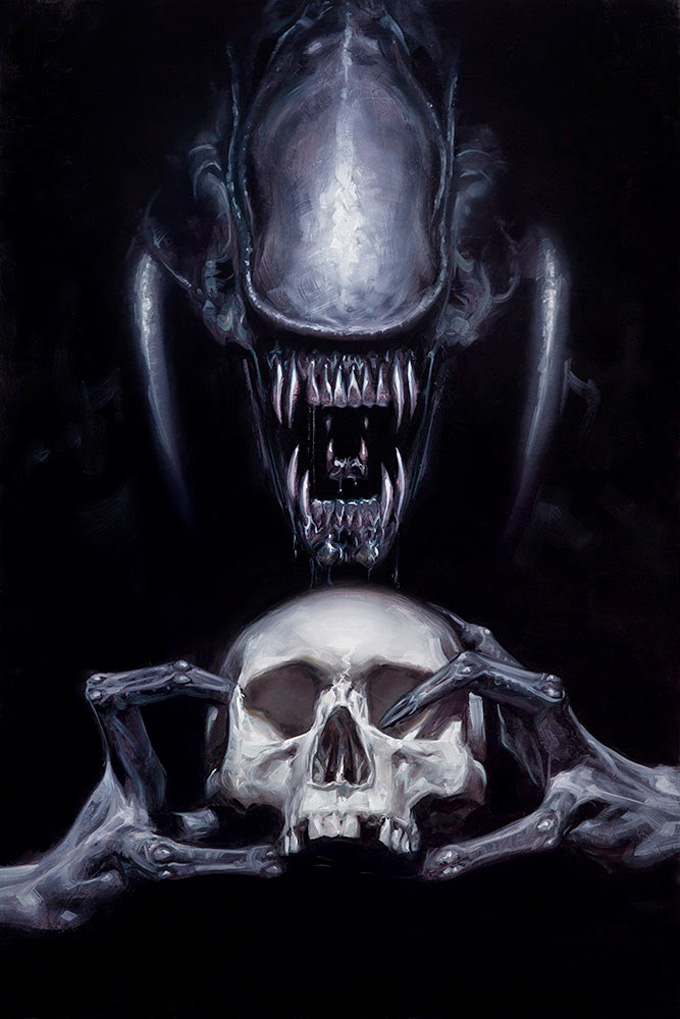
David Palumbo, The Beast, 2014.
Even when facing client challenges, Palumbo places importance on finding value in every piece: “When I find myself working with a client who does not seem to understand or value my own creative direction, I’ll have to prioritize the client’s needs while still finding something to love about the piece. You’ll always need to love something about the piece. My worst work has been when I could not achieve that love for what I was doing.”
Artists are consistently driven by their dedication, and there will always be plenty of ways to find excitement in problem-solving through design.
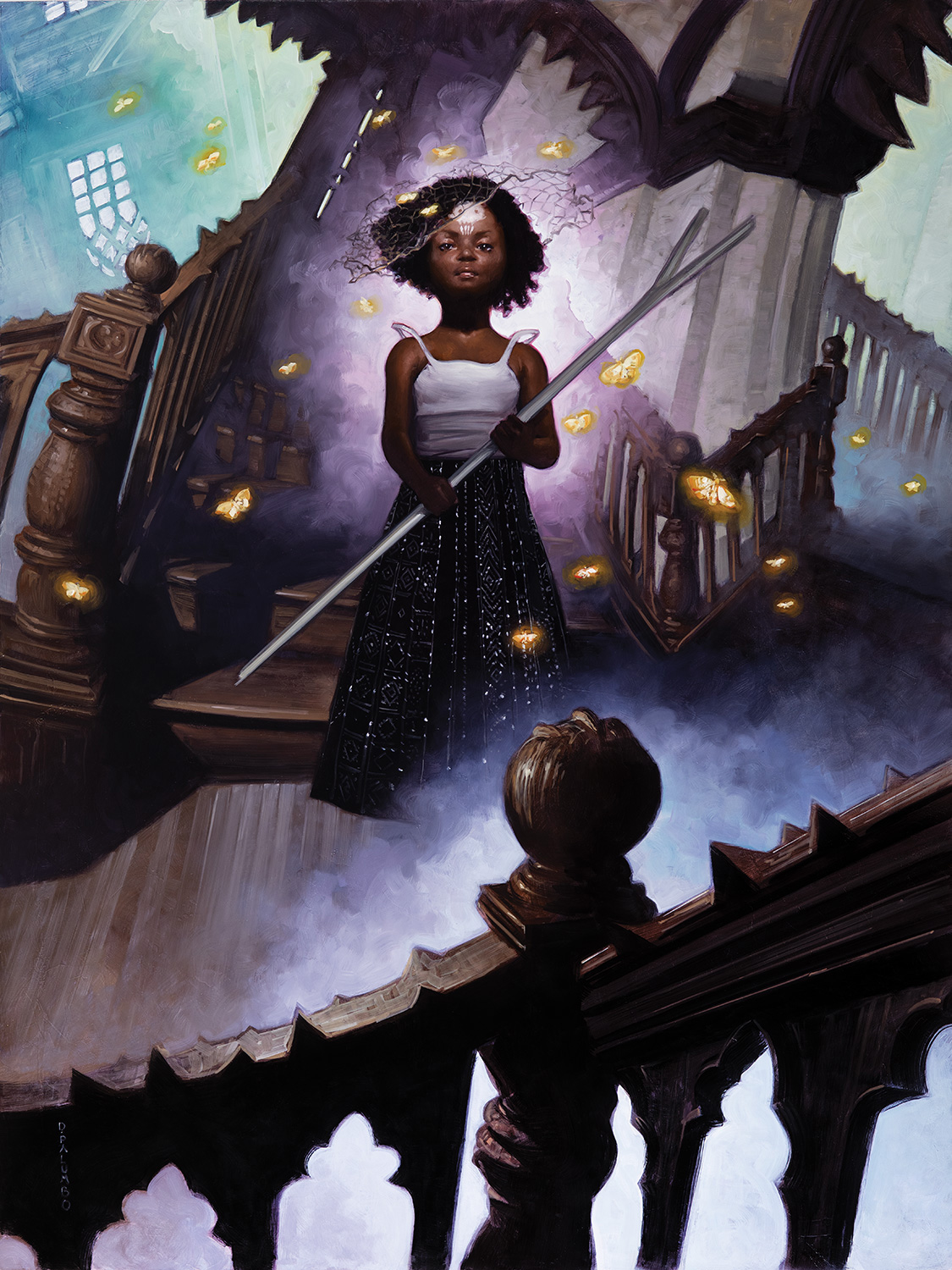
David Palumbo, Aminatou, Veil Piercer, 2024.
MOVING FORWARD: WHY CONCEPT ART MATTERS
As creative industries continue to evolve, it is important to look towards the future of Concept Art. Stories and media will always be vessels for meaning. It is at the early stages that Concept Art is part of where questions are asked, ideas are challenged, and these stories start to be built.
Concept Art is a foundational practice shaped by defining visual direction, collaborating with one another, and creating genuine connections through artistic processes.
The insights shared by Eduardo Peña, Léa Pinto, and David Palumbo highlight that it is curiosity, passion, and individuality that give all kinds of art its power. As the creative world moves forward, Concept Art and Illustration must be given the space to remain thoughtful and intentional. By valuing artistic voices and allowing room for collaborative processes, artists can continue to shape stories, worlds, and experiences.
As Eduardo Peña thoughtfully observed when discussing his passions, “It reminds me of why I do this work in the first place: to connect, to observe, and to translate emotion into imagery.”
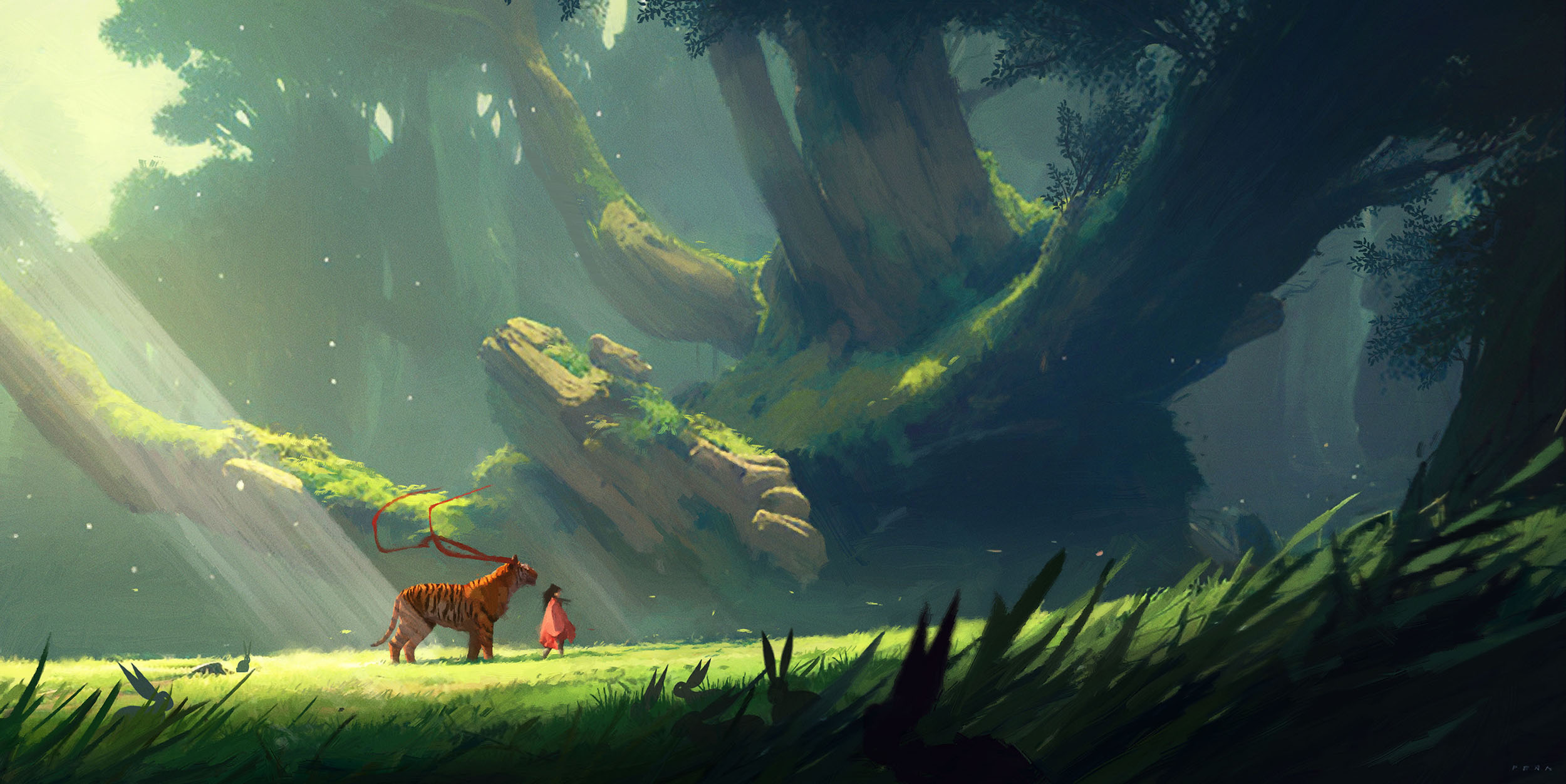
Eduardo Peña, Tigris & Michis, 2023.
Part 1: Introduction & The History of Concept Art
Part 2: The Process Behind Concept Art
Part 3: The Challenges